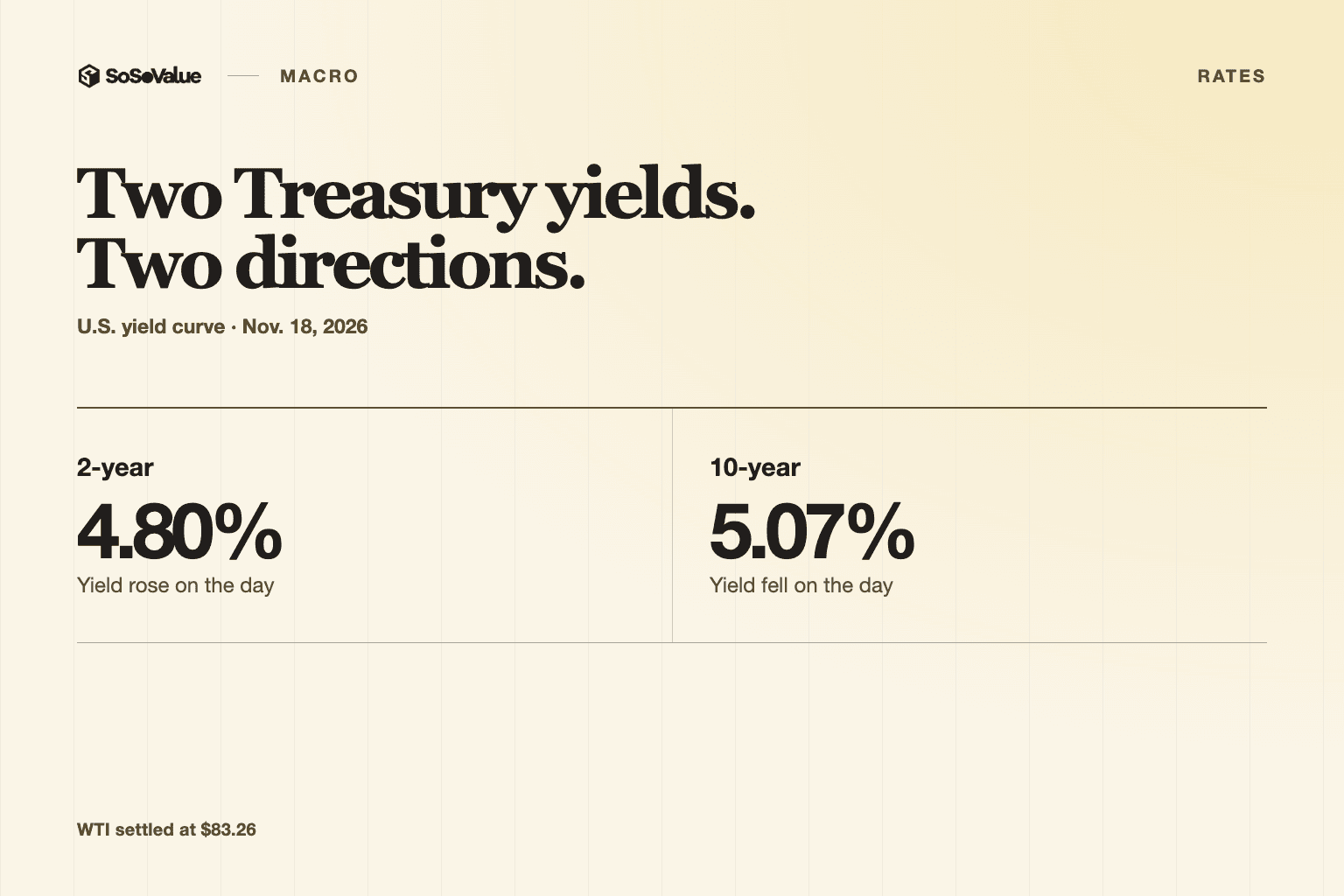
Why Treasury Yields Fell as Traders Priced In a Fed Hike
The November 18 bond rally showed how an expected Fed hike and a retreat in oil can pull short- and long-term yields in different directions.
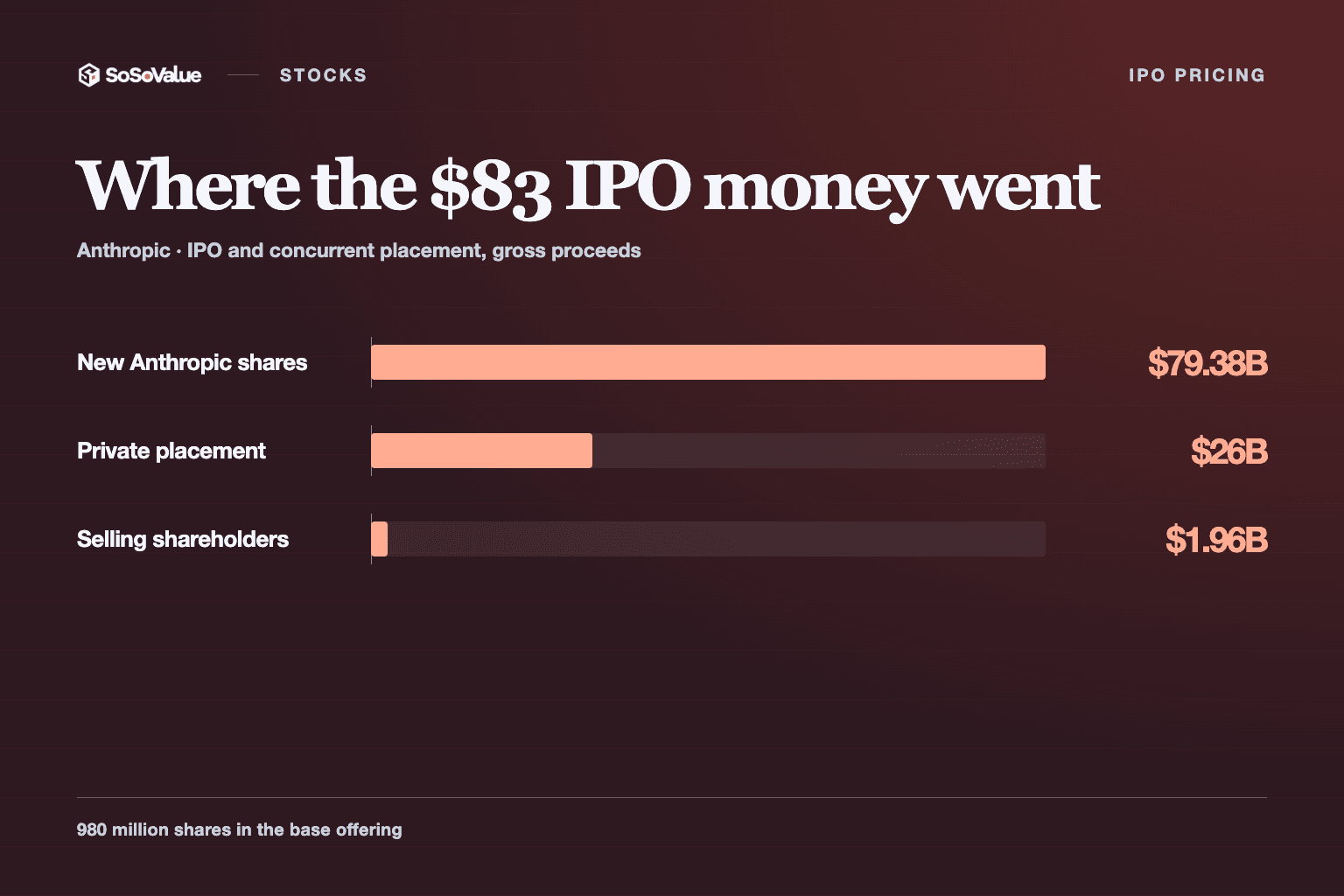
Anthropic’s $83 IPO Price and the $105 Billion Cash Raise
The size of Anthropic’s public offering was only one part of the transaction. Follow the proceeds to see how much cash the company itself stood to receive.
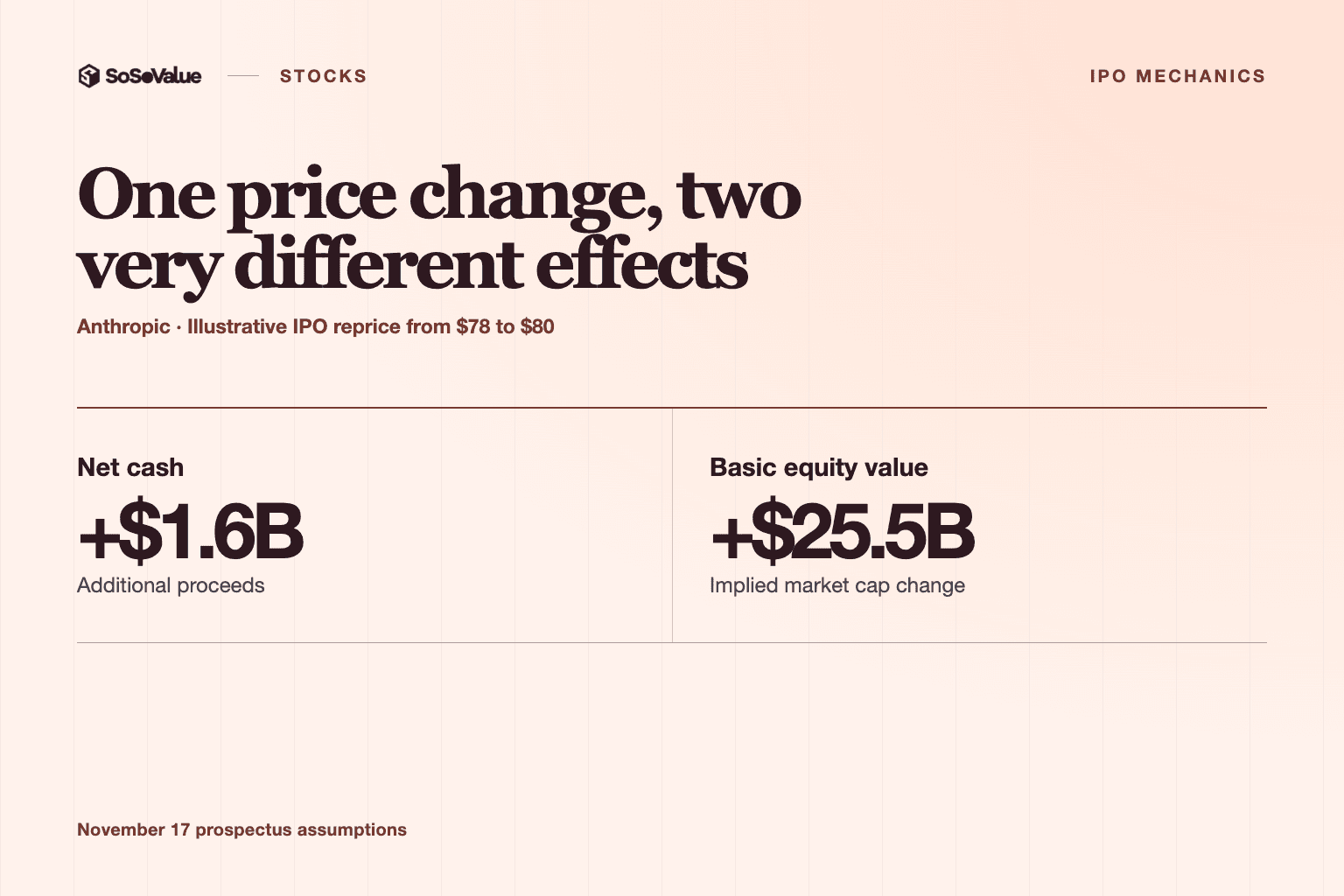
Why an Extra $2 Would Have Moved Anthropic’s IPO Value More Than Its Cash
Anthropic’s prospectus showed why raising the offer price can lift the headline valuation far more than it lifts the cash entering the company.
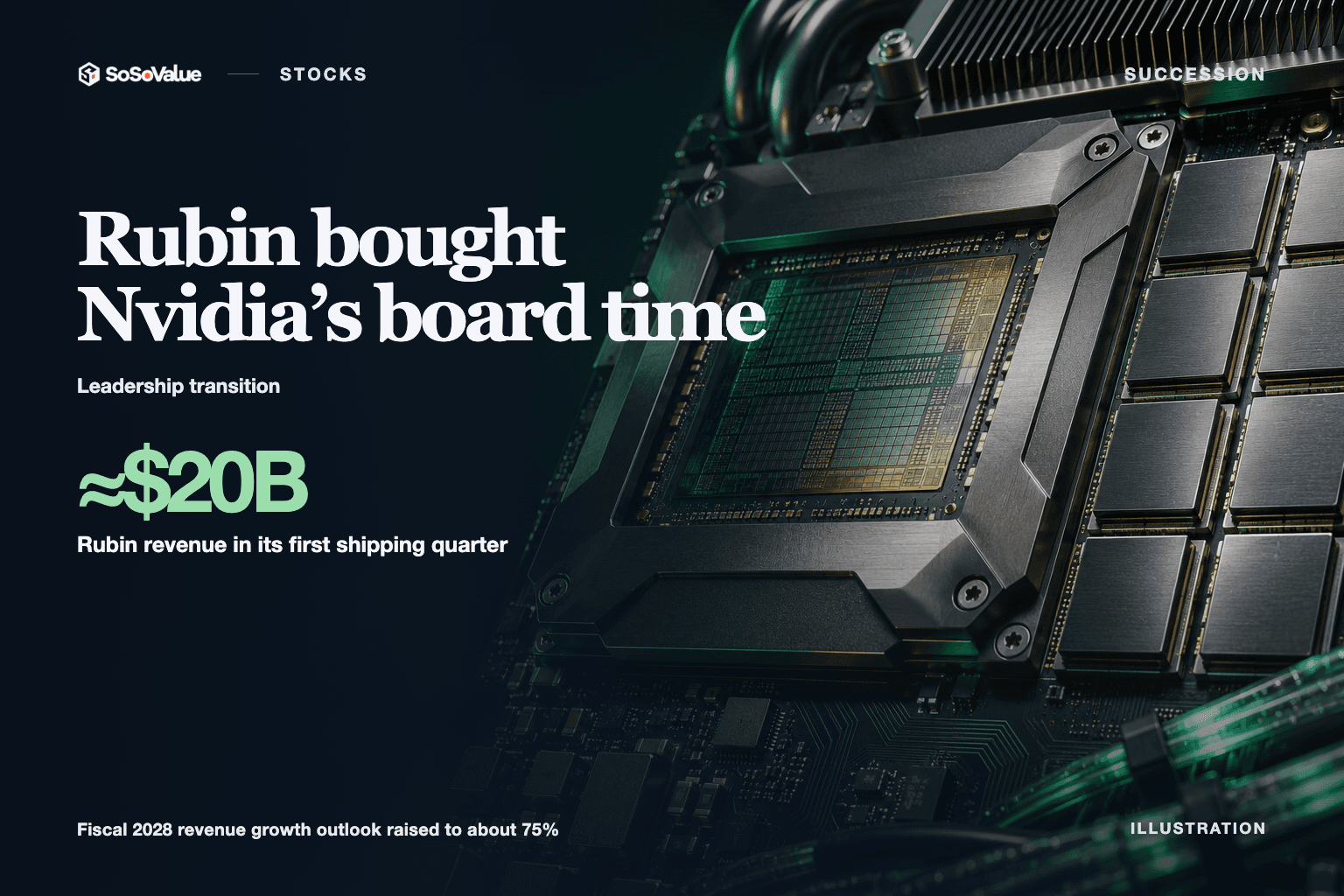
How Strong Rubin Sales Changed Nvidia’s Succession Calculus
A founder’s record can make it easier for a board to manage the transition without him. Nvidia’s November earnings call showed how.
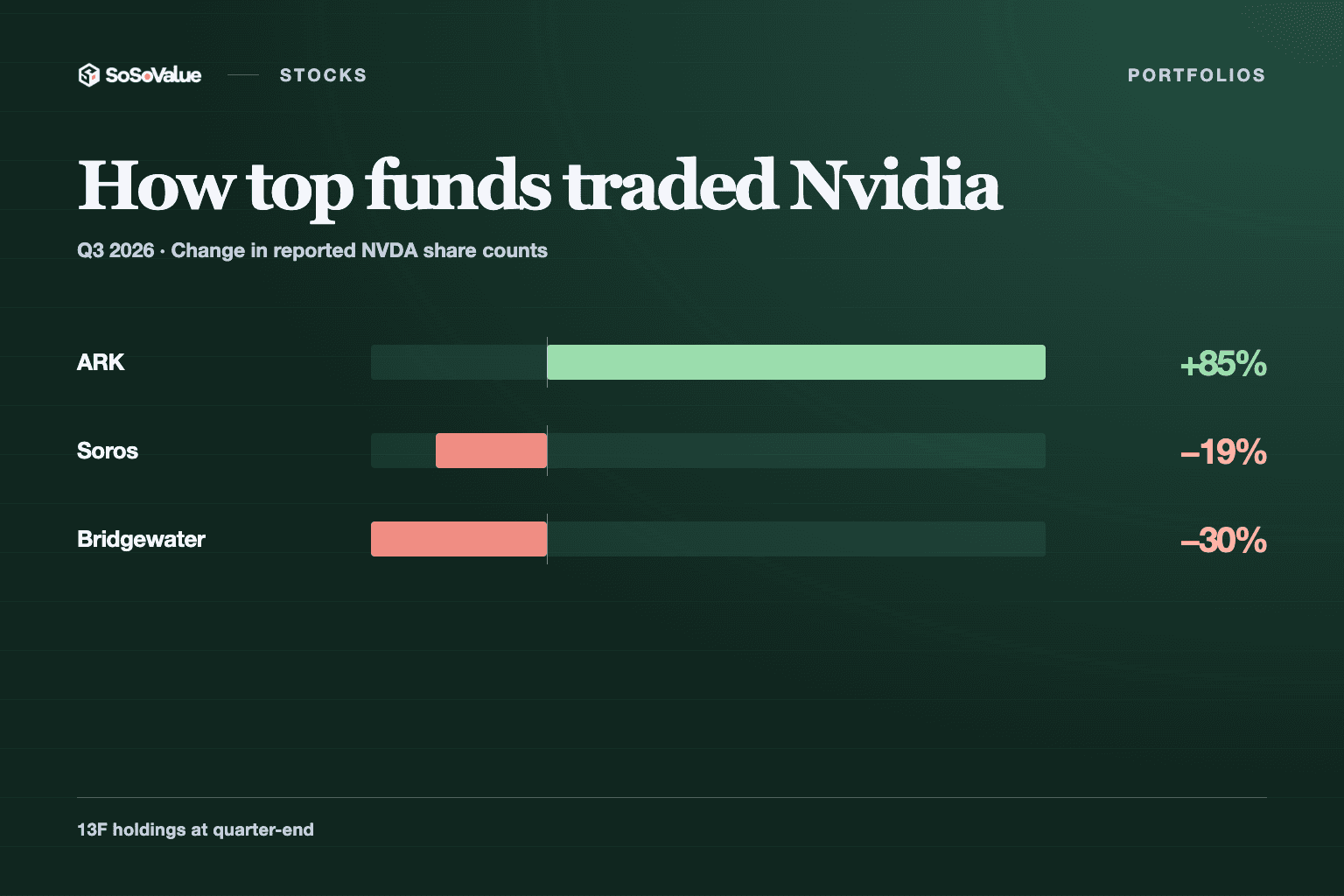
Where Soros and Bridgewater Put Money After Cutting Nvidia
Third-quarter 13F filings showed prominent funds taking different routes into chips, memory and manufacturing equipment.
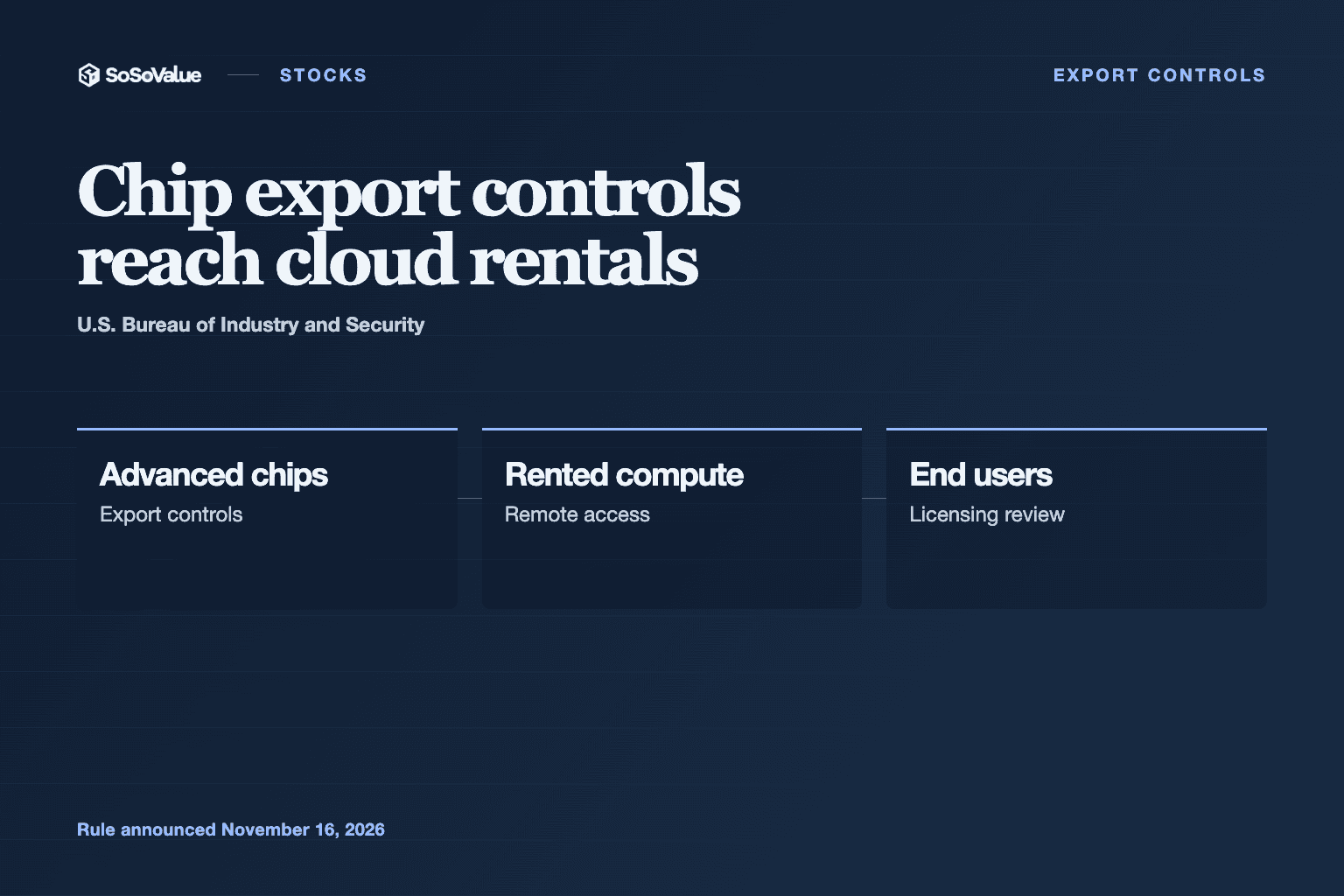
How Remote Compute Rules Reached the AI Supply Chain
A November 2026 U.S. rule put some overseas cloud access under licensing review. That changed the questions investors needed to ask about AI orders.

Who Had a Say in a Jensen Huang Comeback?
Shareholders and Silicon Valley allies backed Jensen Huang after his departure. The campaign put the difference between influence and appointment authority in view.
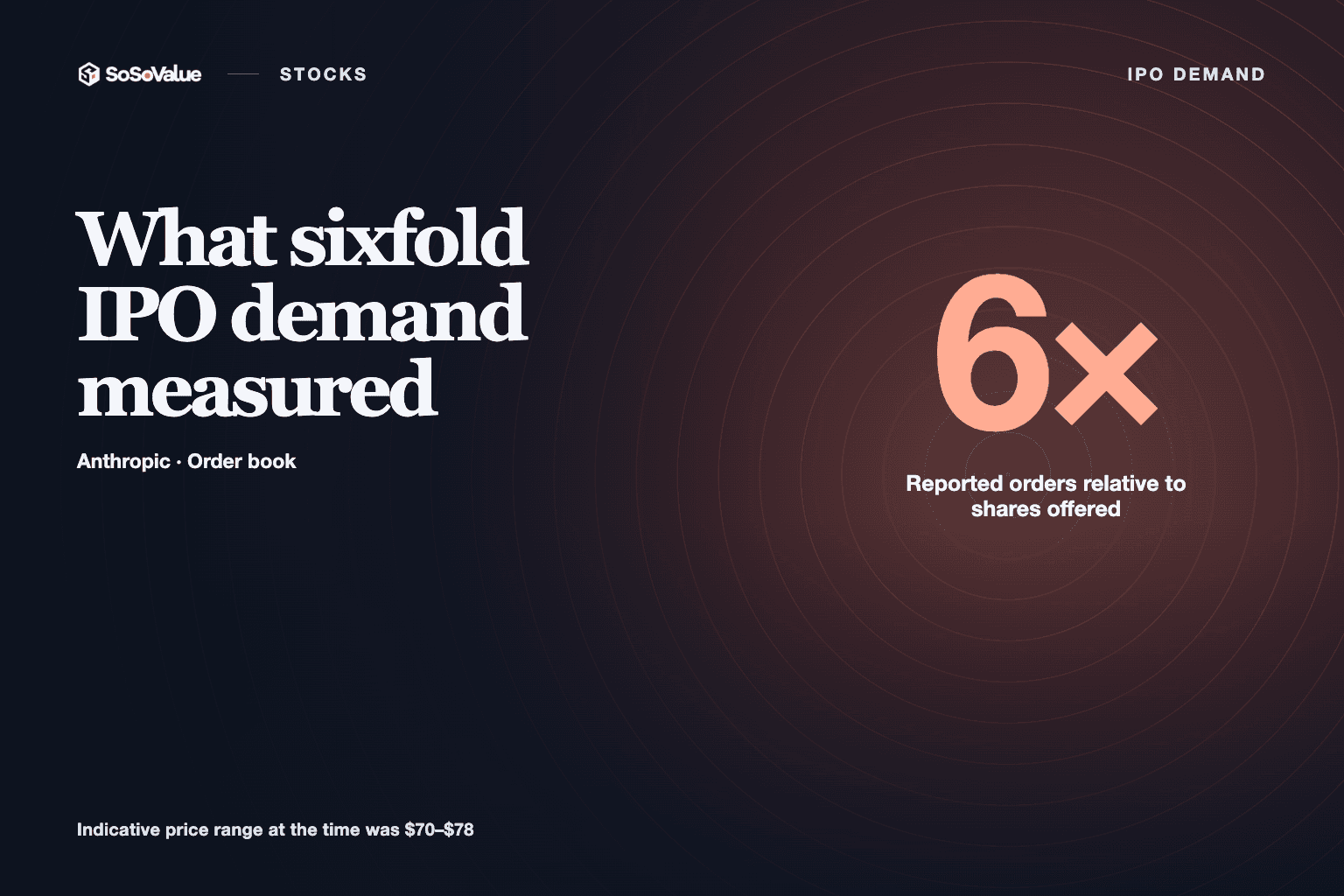
What Sixfold Demand for Anthropic’s IPO Actually Measured
A heavily subscribed IPO can show appetite for the deal as offered. The staying power of that demand depends on the price, allocations and how the business performs.
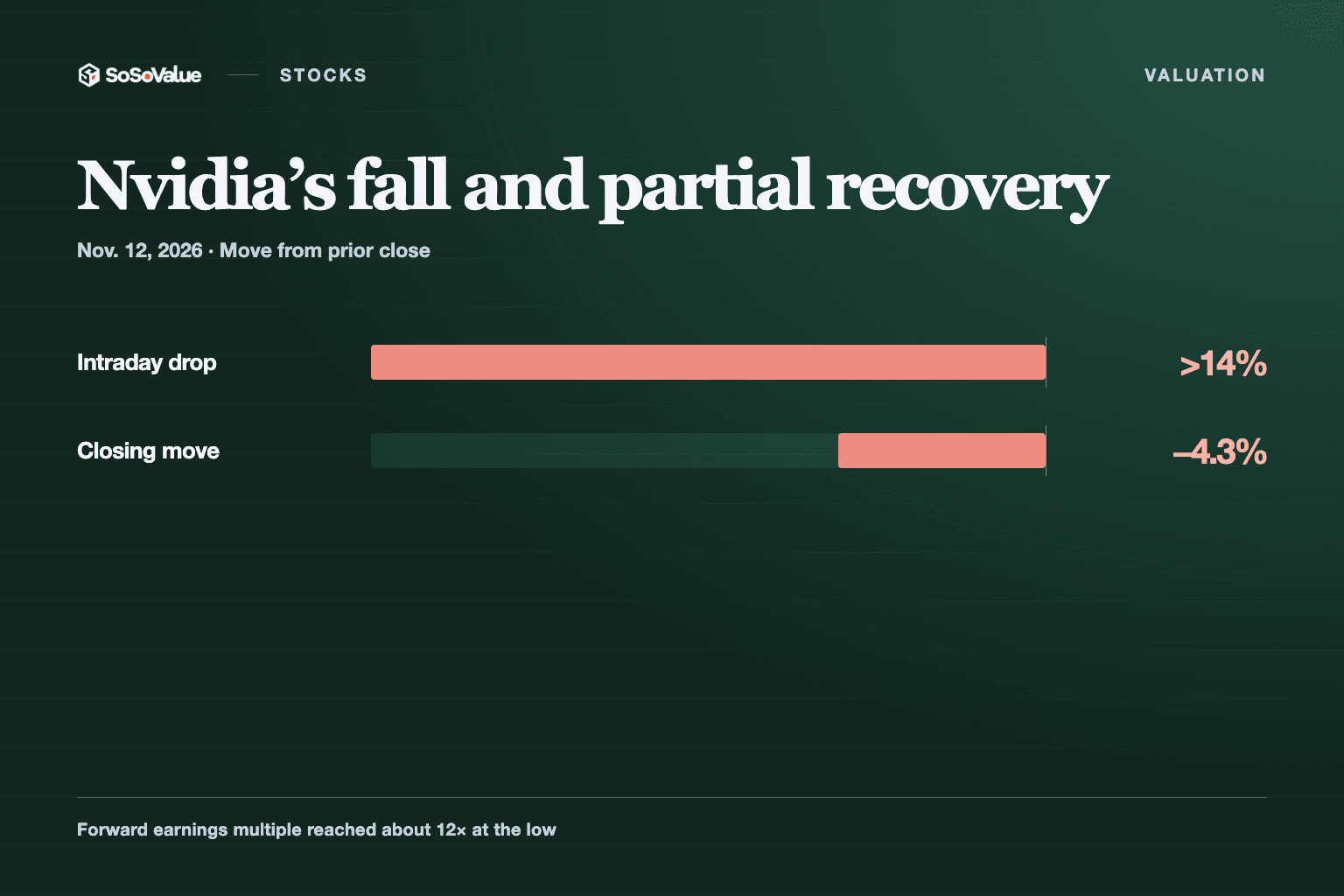
What Nvidia’s 12-Times Valuation Measured After Huang Resigned
The shares rebounded from their November 12 low but still closed down 4.3%. Pricing the transition meant revisiting both earnings and the multiple investors would pay.
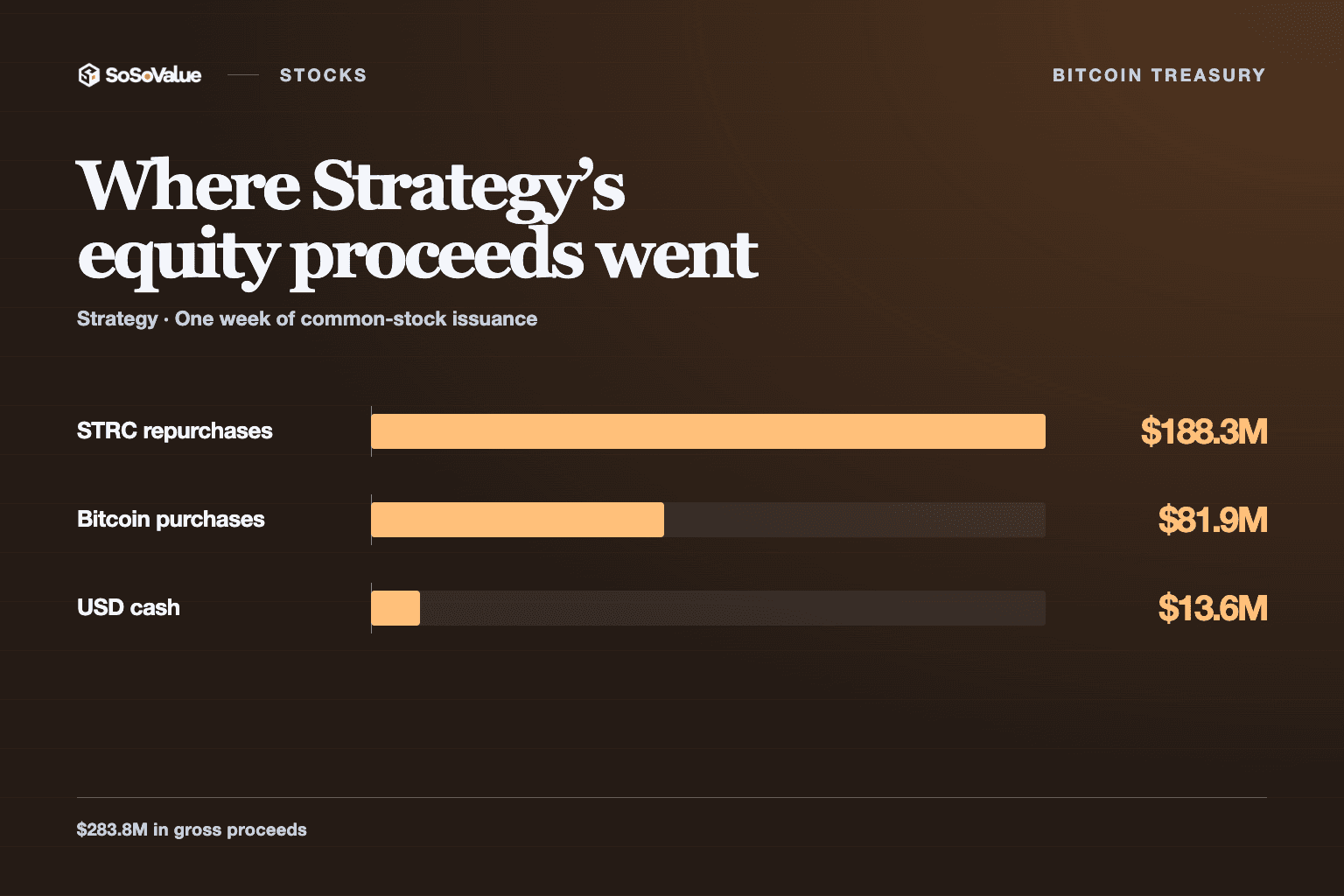
How MSCI’s Strategy Decision Changed the Bitcoin Treasury Trade
Strategy’s removal from MSCI indexes sharpened a question common shareholders already faced. How much of each new dollar raised can go toward bitcoin?
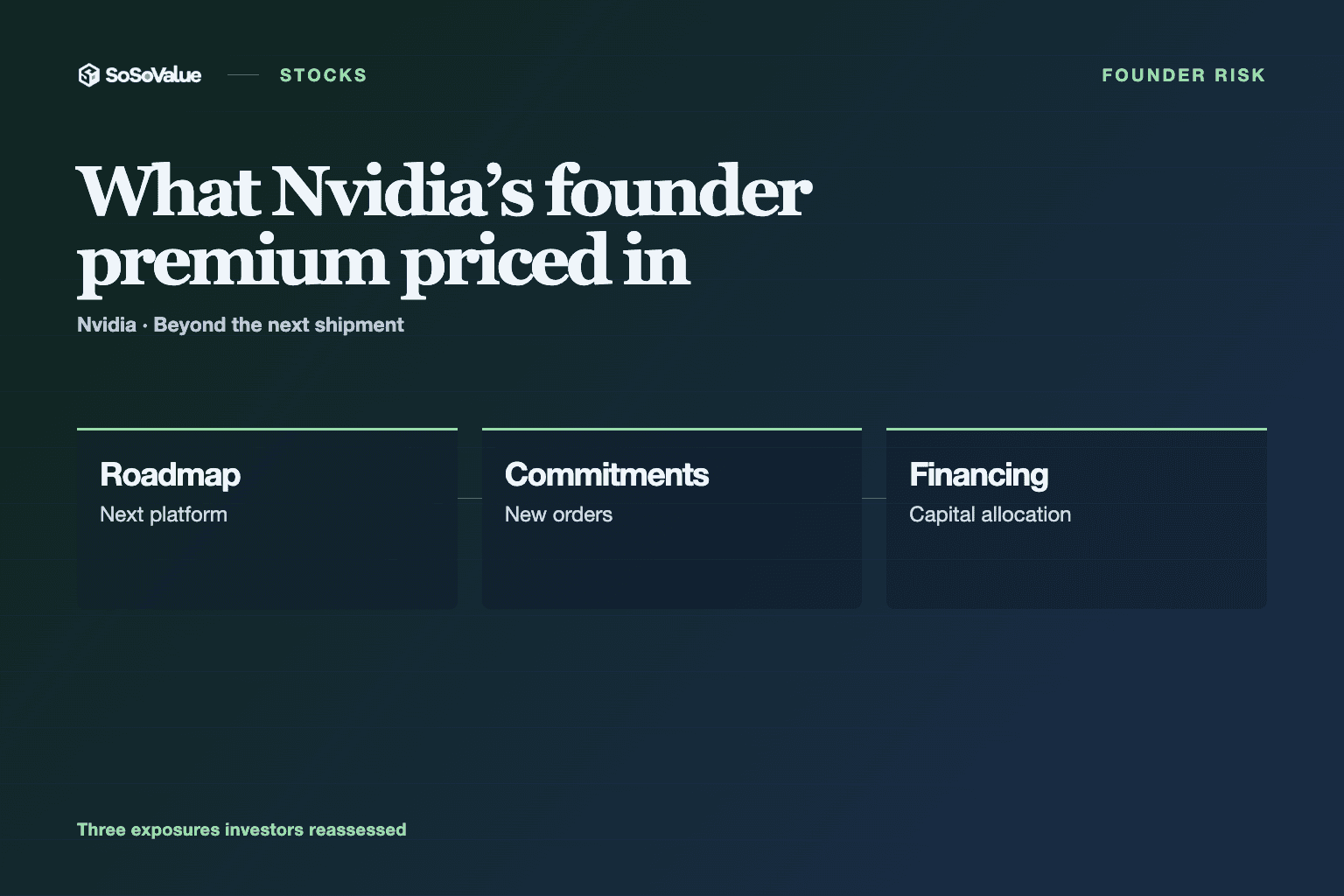
How to Measure Nvidia’s Founder Premium
Nvidia’s November leadership uncertainty exposed two separate bets embedded in the stock: confidence in the products already shipping and confidence in what the company can win next.
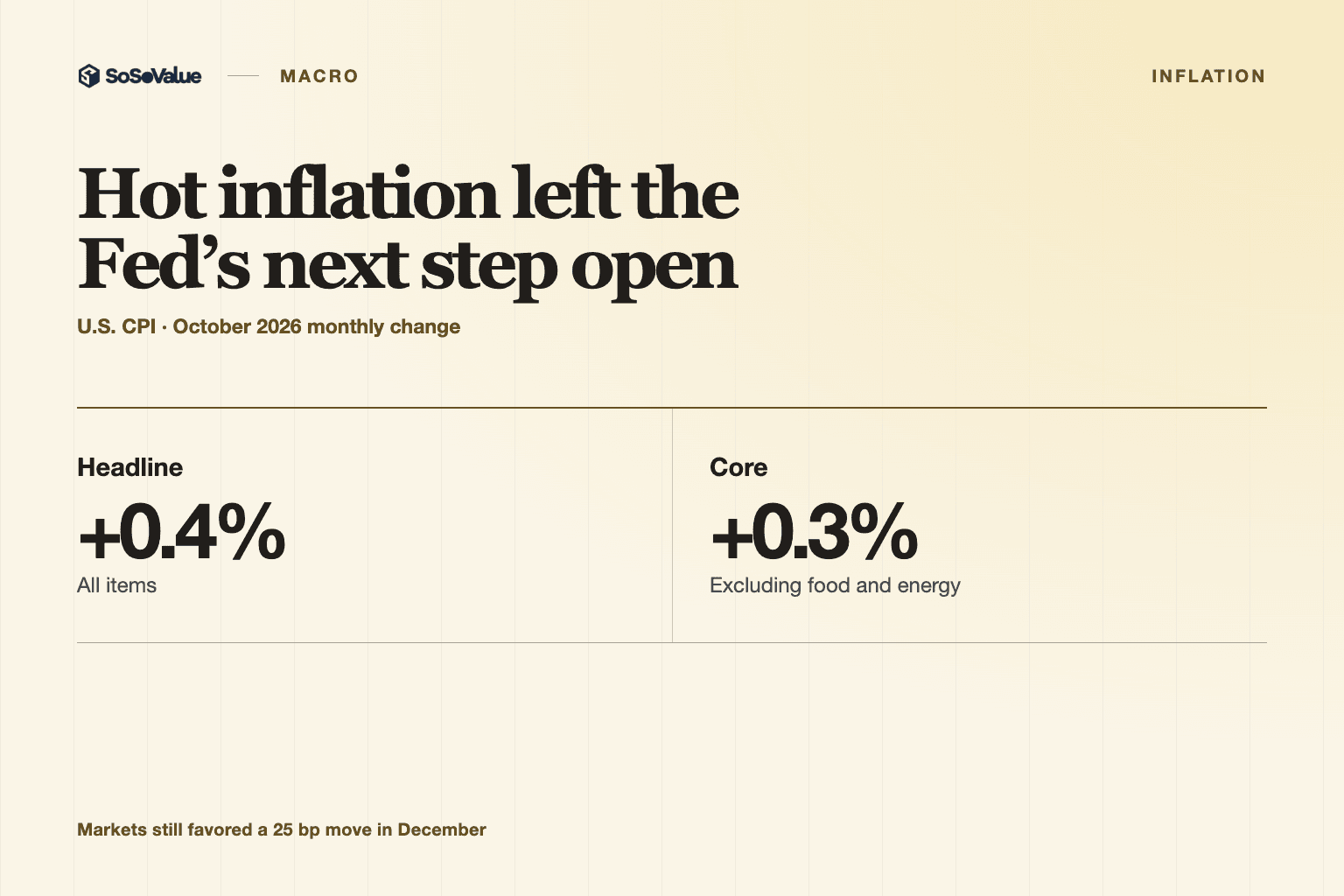
Why Hot October Inflation Left a Half-Point Fed Hike a Long Shot
The October 2026 CPI beat expectations. Traders still distinguished an argument for tightening from an argument for tightening twice as fast.
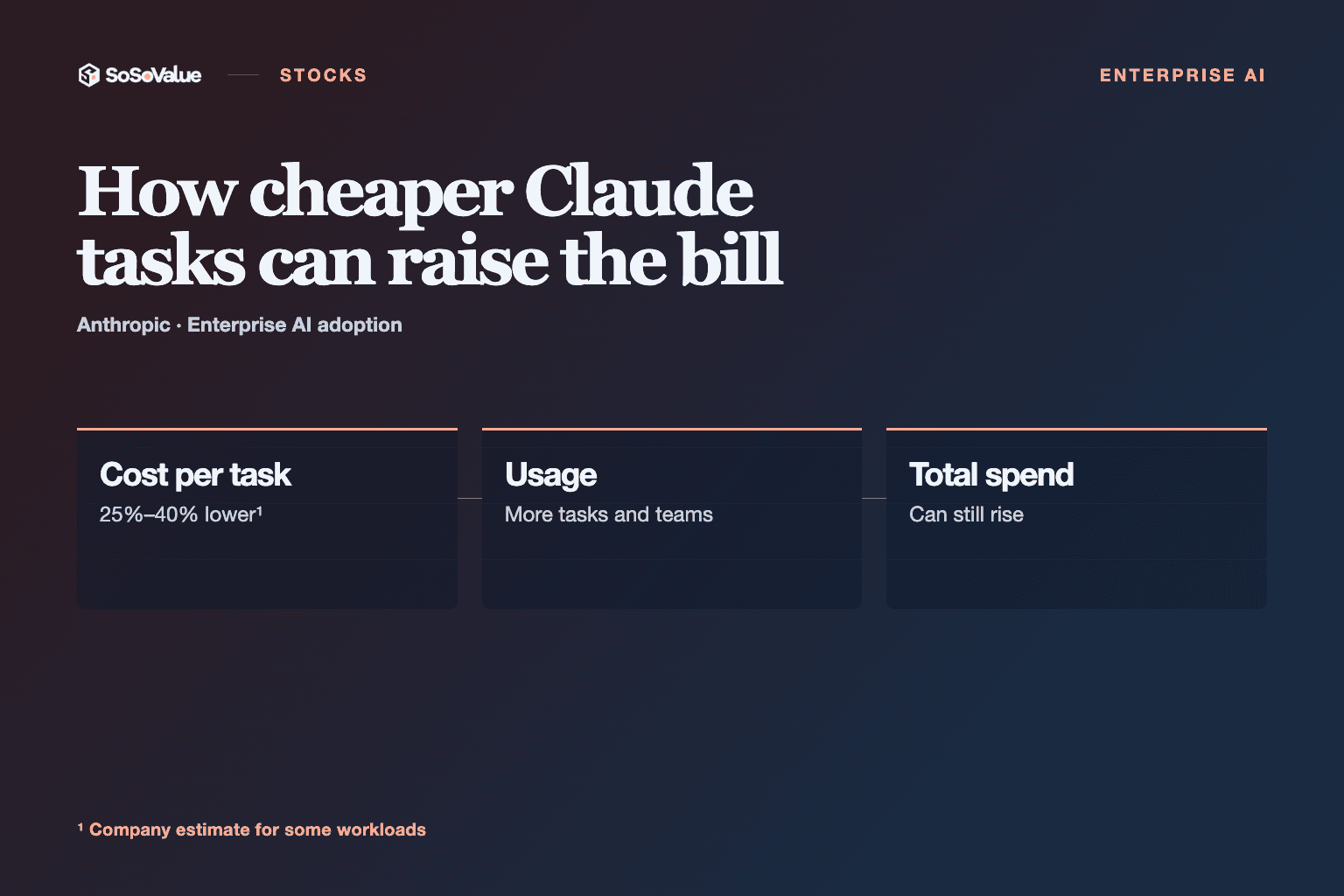
Why Cheaper Claude Workloads Can Still Raise Enterprise AI Bills
Anthropic’s IPO roadshow offered a way to understand rising AI budgets even as new models make some tasks cheaper.
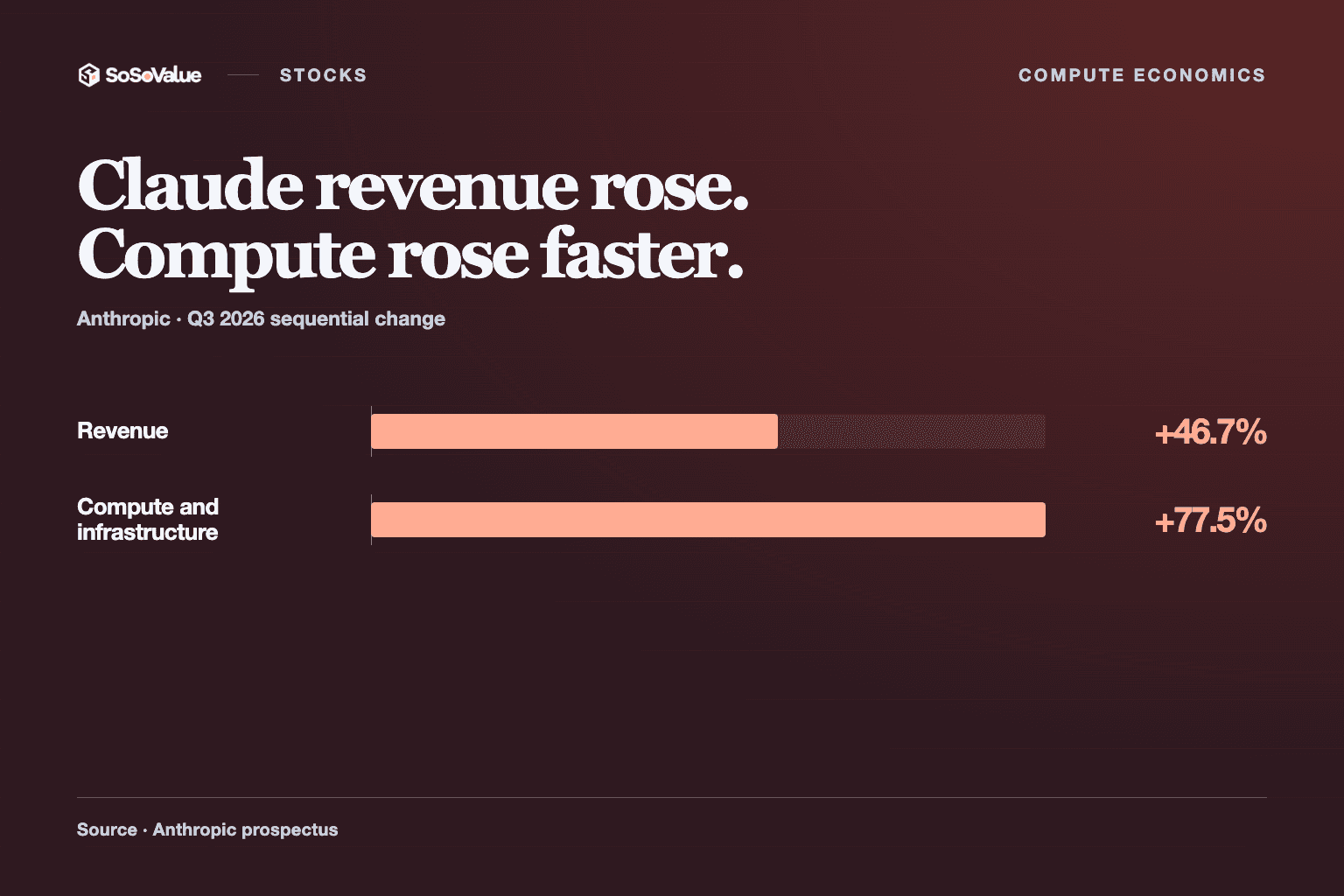
Why Anthropic’s Compute Bill Grew Faster Than Claude Revenue
Anthropic’s November prospectus showed three different clocks for AI economics: when customers use a model, when the company pays for capacity and when that capacity earns a return.

Why Oil Traders Needed More Than Progress in US–Iran Talks
Brent fell nearly 6% on November 9 as markets marked down the risk of prolonged disruption. Physical supply would decide how much of the move endured.
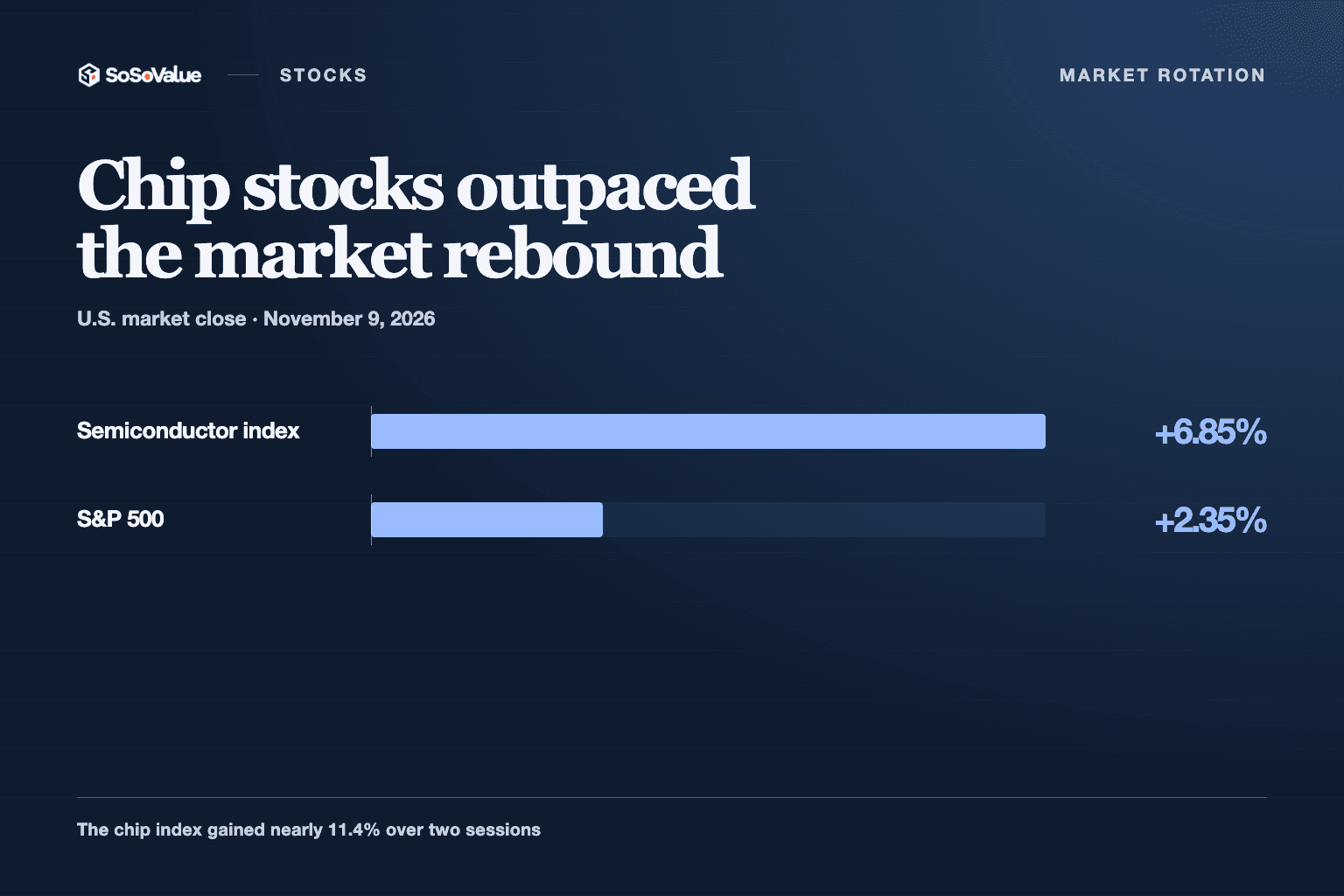
What the 11% Chip-Stock Rebound Said About the AI Trade
Semiconductors rallied as oil fell and buyers returned to AI infrastructure. The two impulses had different implications for the companies involved.

What the US Midterms Changed for the CLARITY Act
The November election gave congressional Democrats more leverage over a bill whose hardest questions were already unresolved. Three policy disputes would shape the next version.
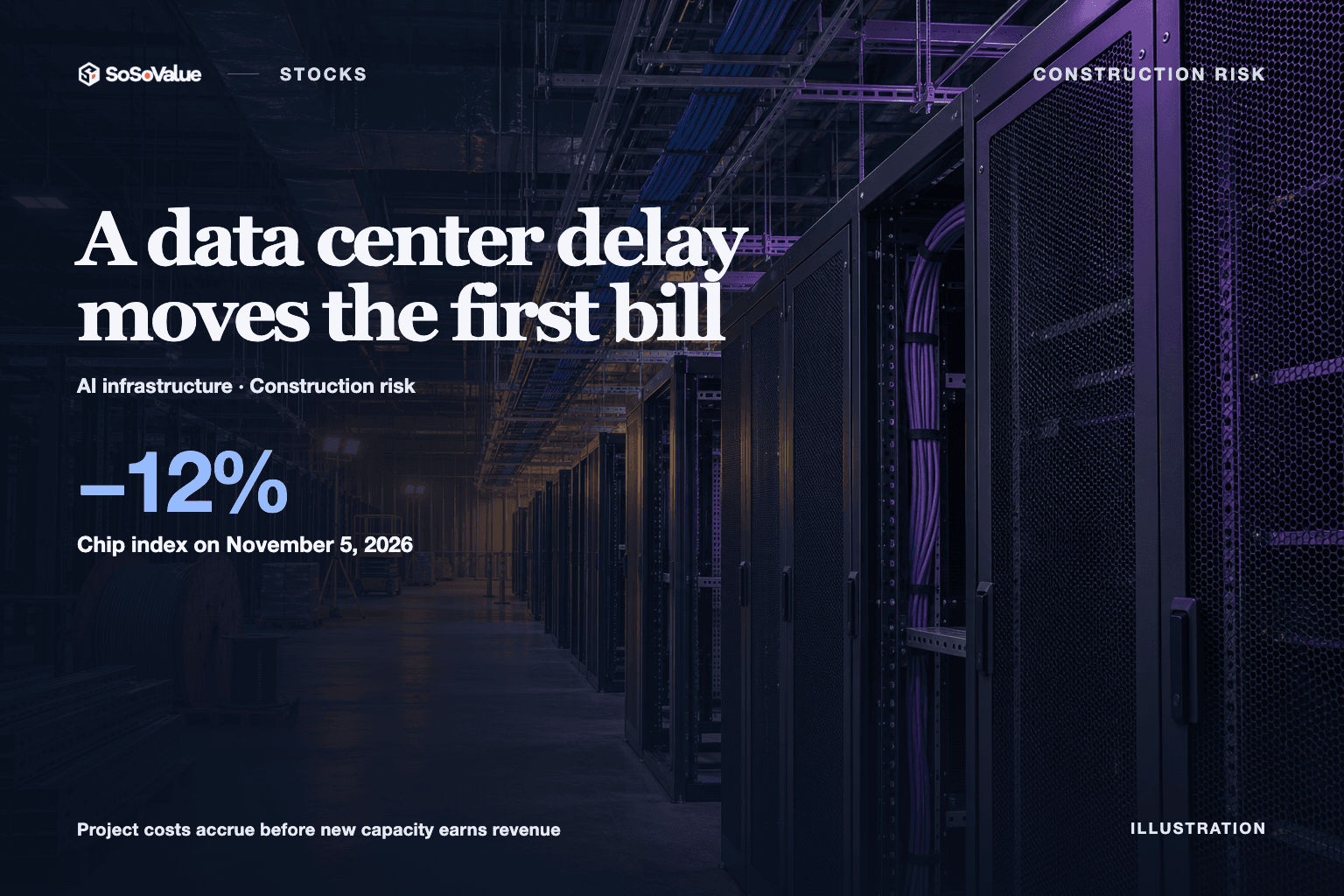
Why a Data Center Delay Hits an AI Startup Harder Than Microsoft
The reversal in AI stocks on November 5 showed the difference between owning a large installed fleet and relying on unfinished capacity to make the next payment.
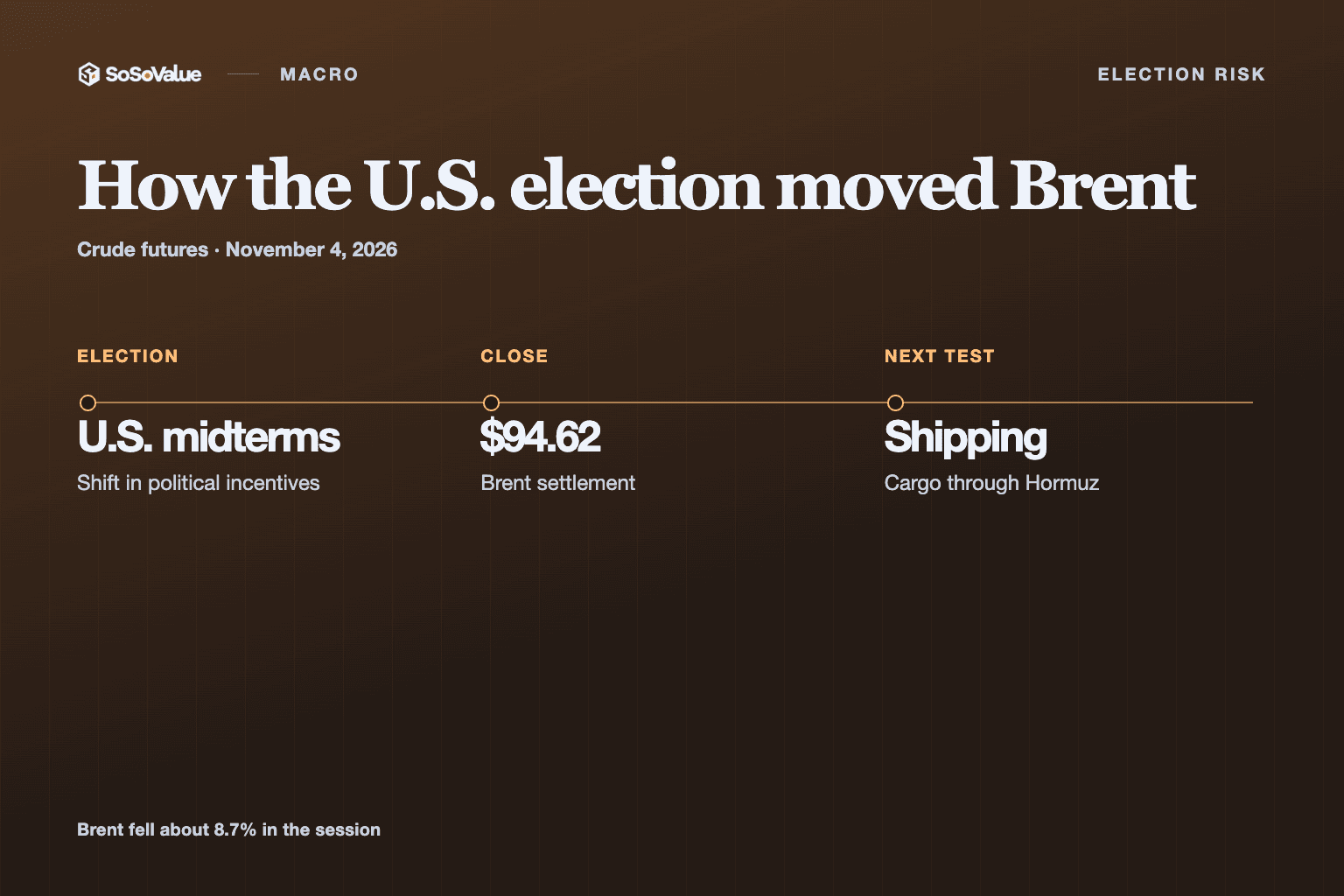
Why Brent Fell 8.7% After the US Midterms
The November 4 drop showed the speed with which oil prices can incorporate changing political incentives. A negotiated settlement would still have to change shipping conditions.
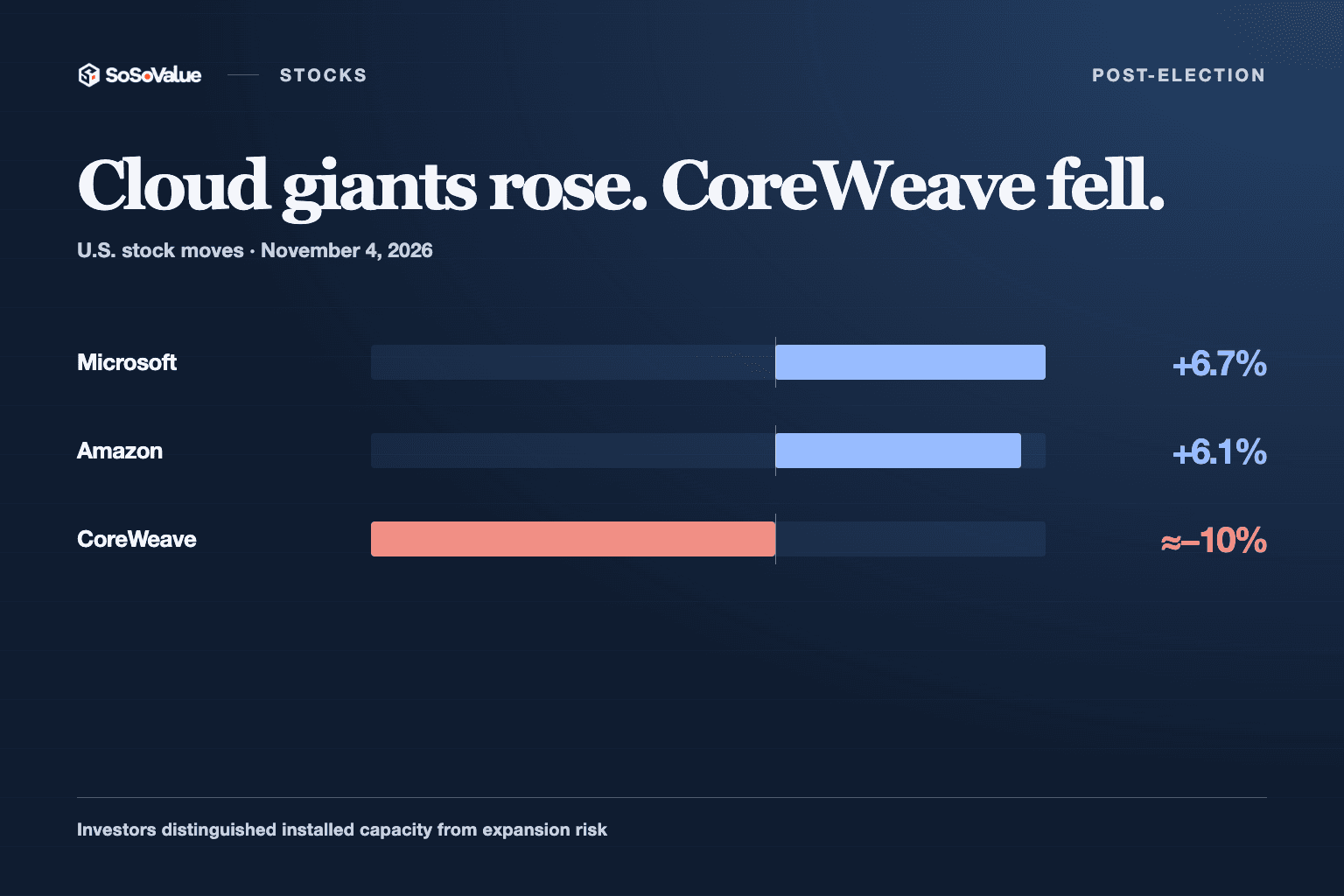
Why Cloud Giants and Neoclouds Split After the US Midterms
The early post-election move exposed two very different business models behind seemingly similar AI infrastructure stocks.
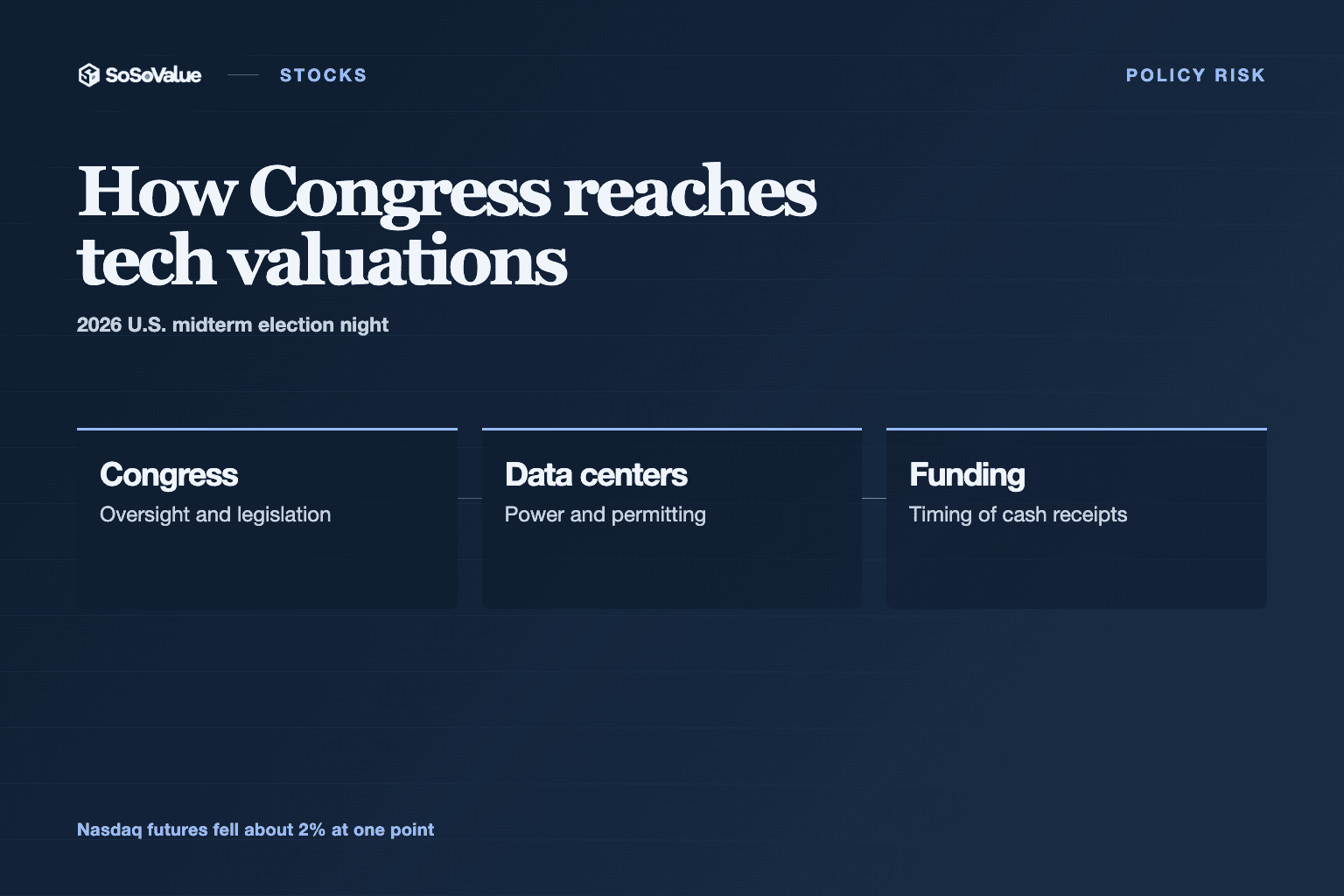
Why Tech Futures Fell as Congress Looked Set to Flip
The November 2026 election-night reaction was an early example of markets pricing a change in congressional power before policy changed.
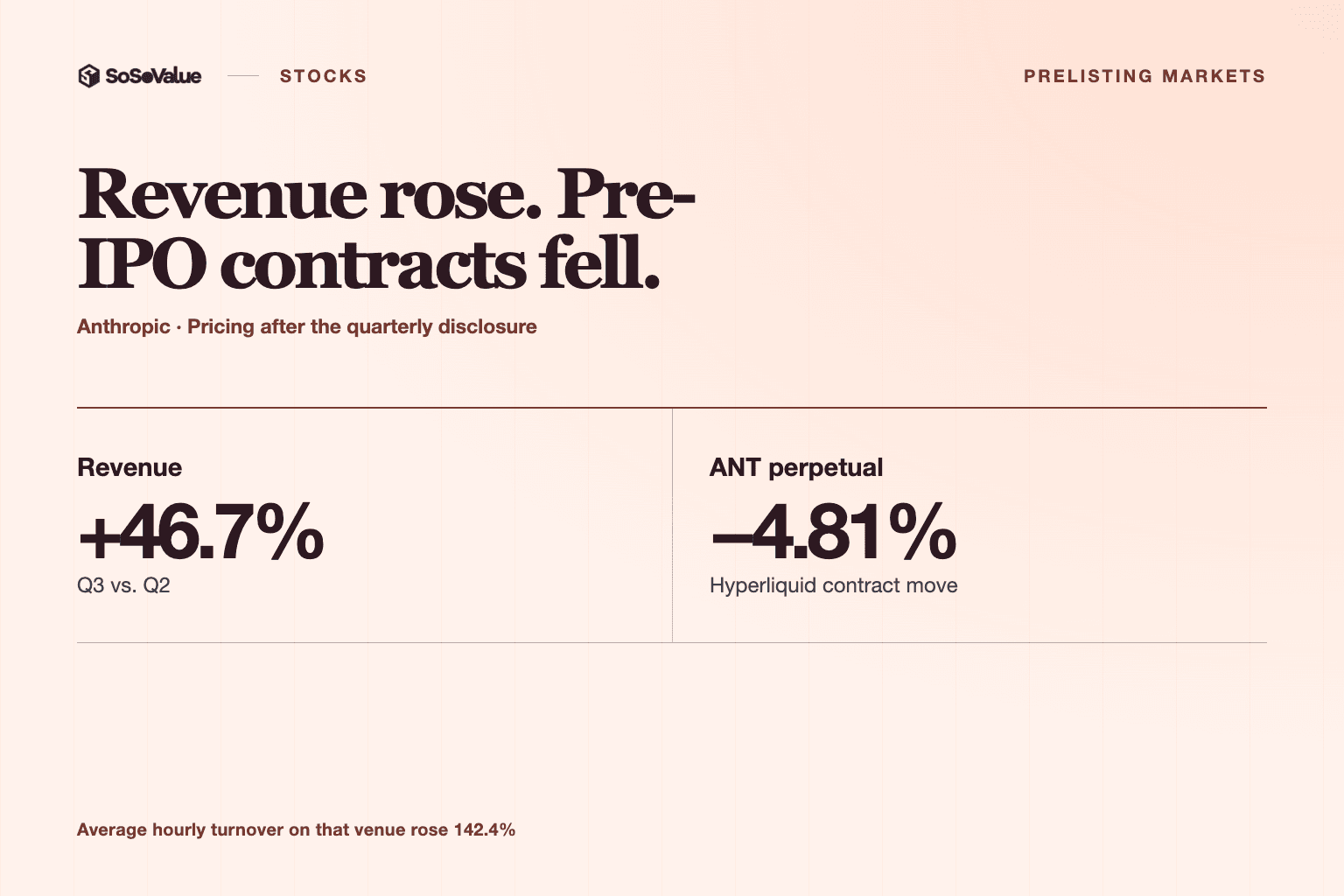
Why Anthropic Perpetuals Fell After Revenue Rose 47%
Anthropic’s quarterly revenue increase attracted attention. The prelisting reaction showed why derivative prices can respond to the costs and risks bundled with that growth.
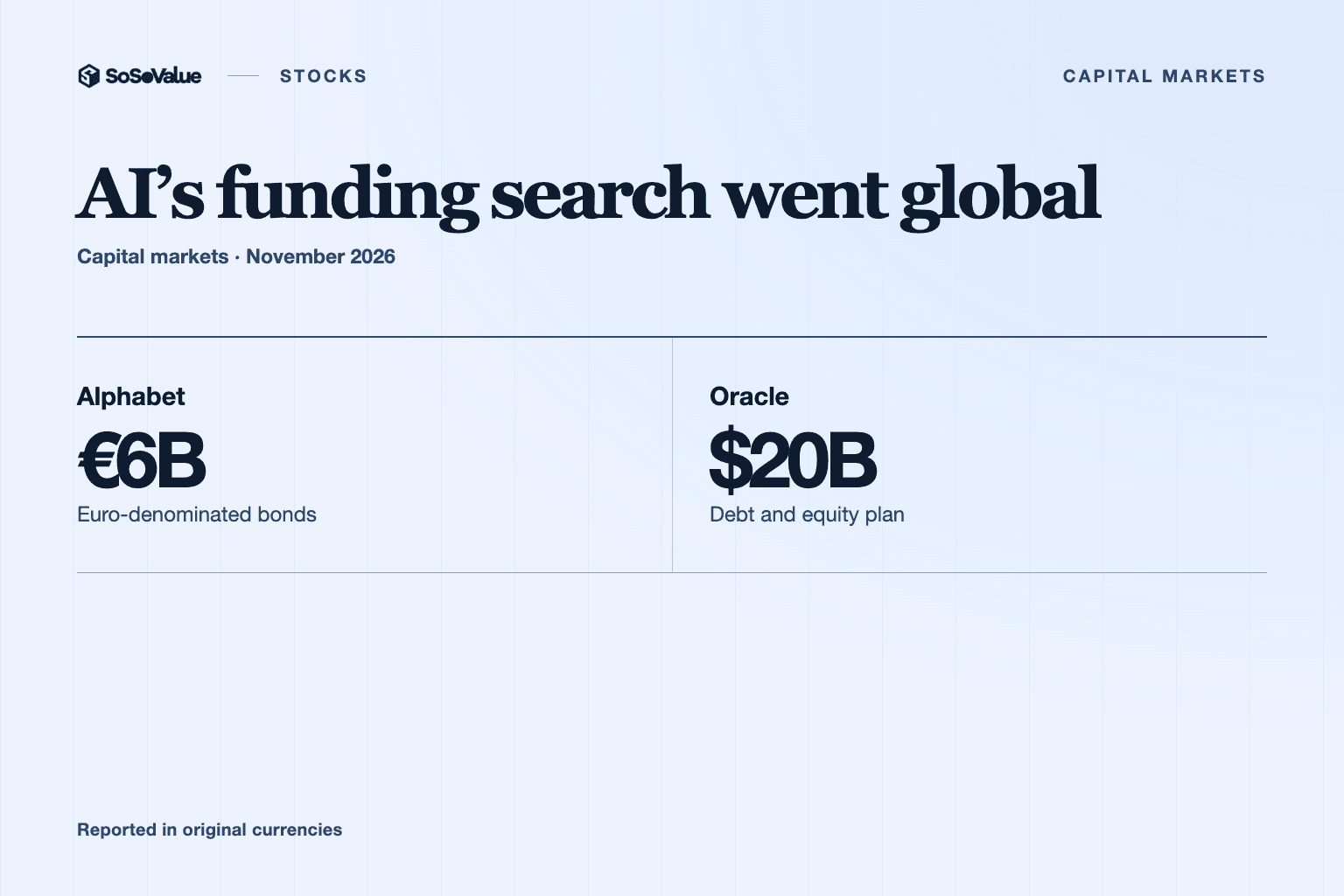
Why Big Tech Went Global to Finance AI
Alphabet’s euro bond sale and Oracle’s mixed financing plan showed how companies were widening the pool of investors paying for AI expansion.

Why Treasuries Rose While Oil Stayed High and Gold Fell
The late-October divergence showed how inflation risk, demand for a hedge and the need for immediate cash can drive different assets in the same session.

What Binance’s $6.3 Billion Incident Revealed About Exchange Liquidity
The first figures showed the scale of the theft and the amount immobilized. Exchange customers had another question: when could they rely on reserves and withdrawals again?
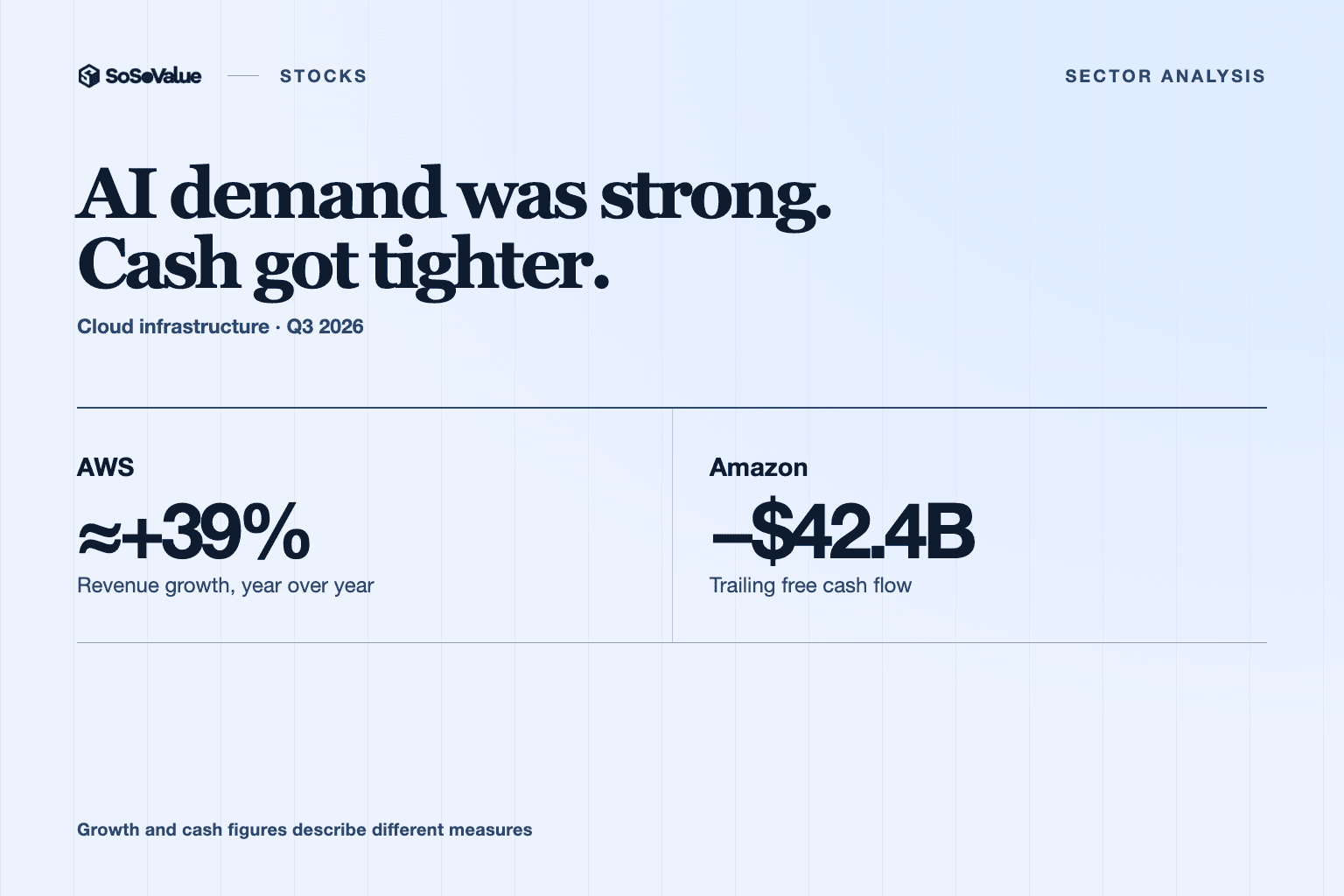
Why Strong Cloud Growth Wasn’t Enough to Stop the Tech Selloff
A wave of earnings releases showed healthy demand across AI infrastructure. It also showed the price of serving it when companies must buy capacity before they can bill for it.
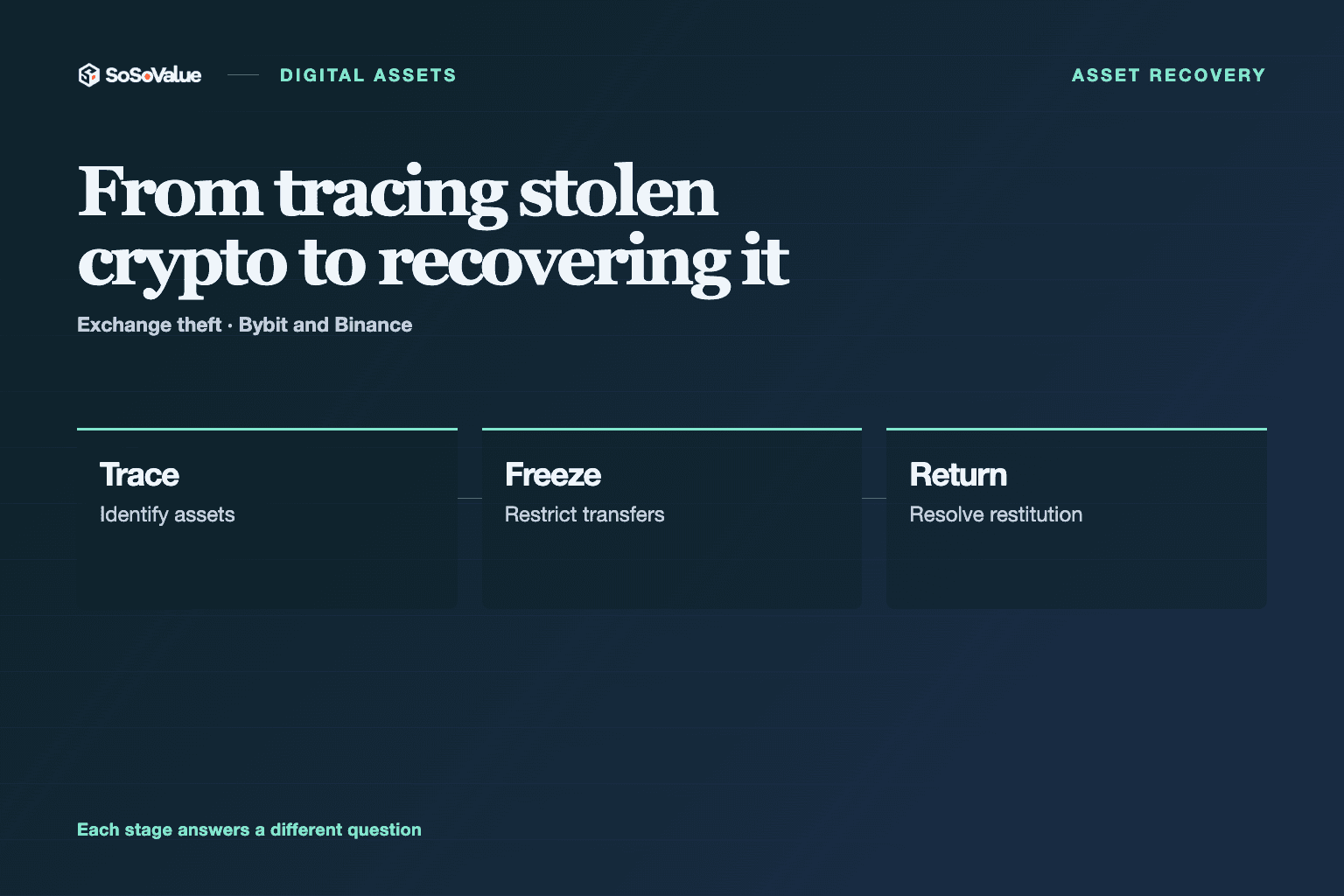
What Bybit and Binance Teach About Recovering Stolen Crypto
Public blockchains can reveal movements of stolen assets quickly. Turning that visibility into recoveries requires coordination and a separate legal process.
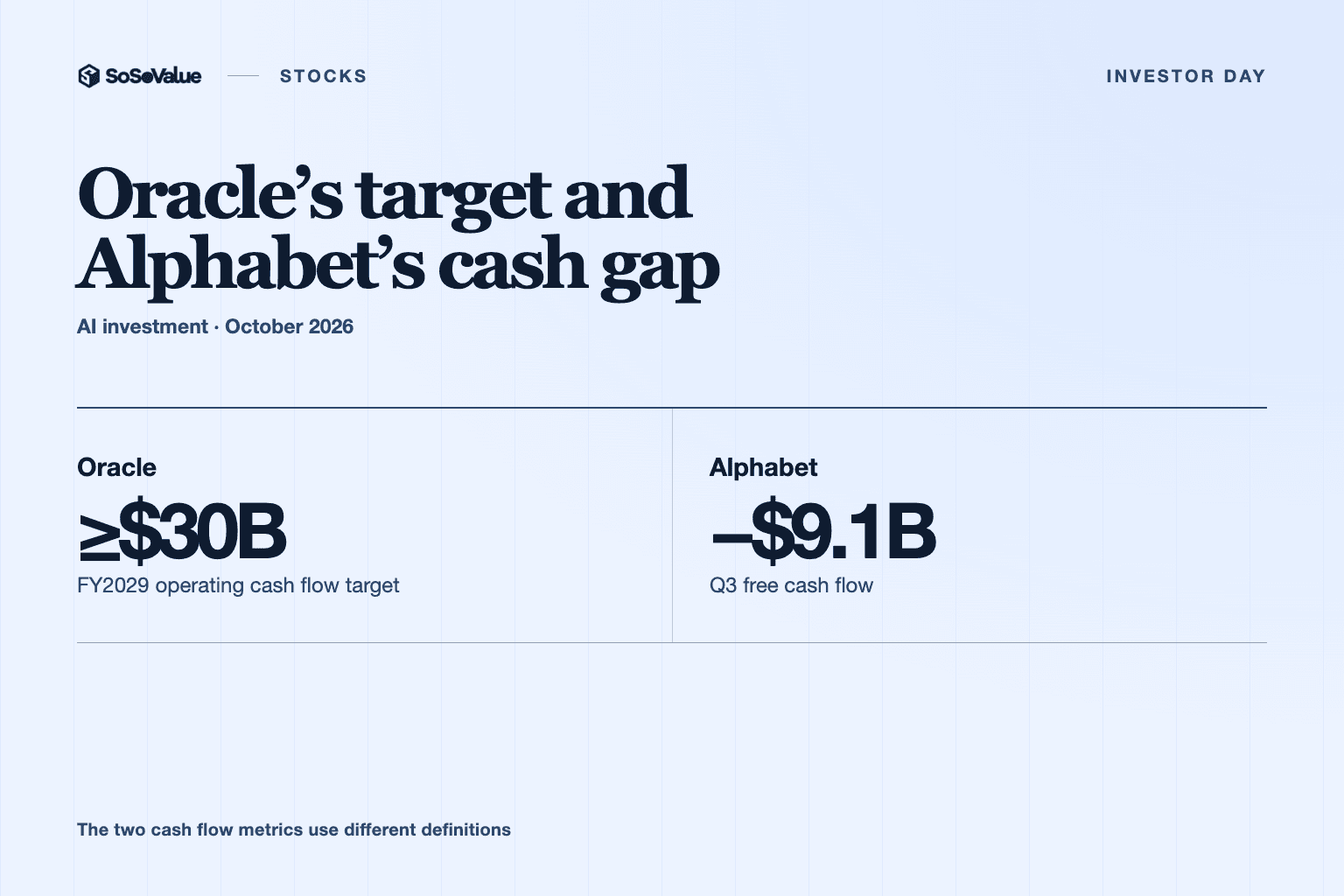
Why Oracle’s Cash-Flow Timetable Mattered More Than Another AI Growth Figure
Oracle rallied after giving investors a timetable for operating cash flow. Alphabet’s results, hours later, showed how a fast-growing cloud unit can coexist with a widening cash deficit.
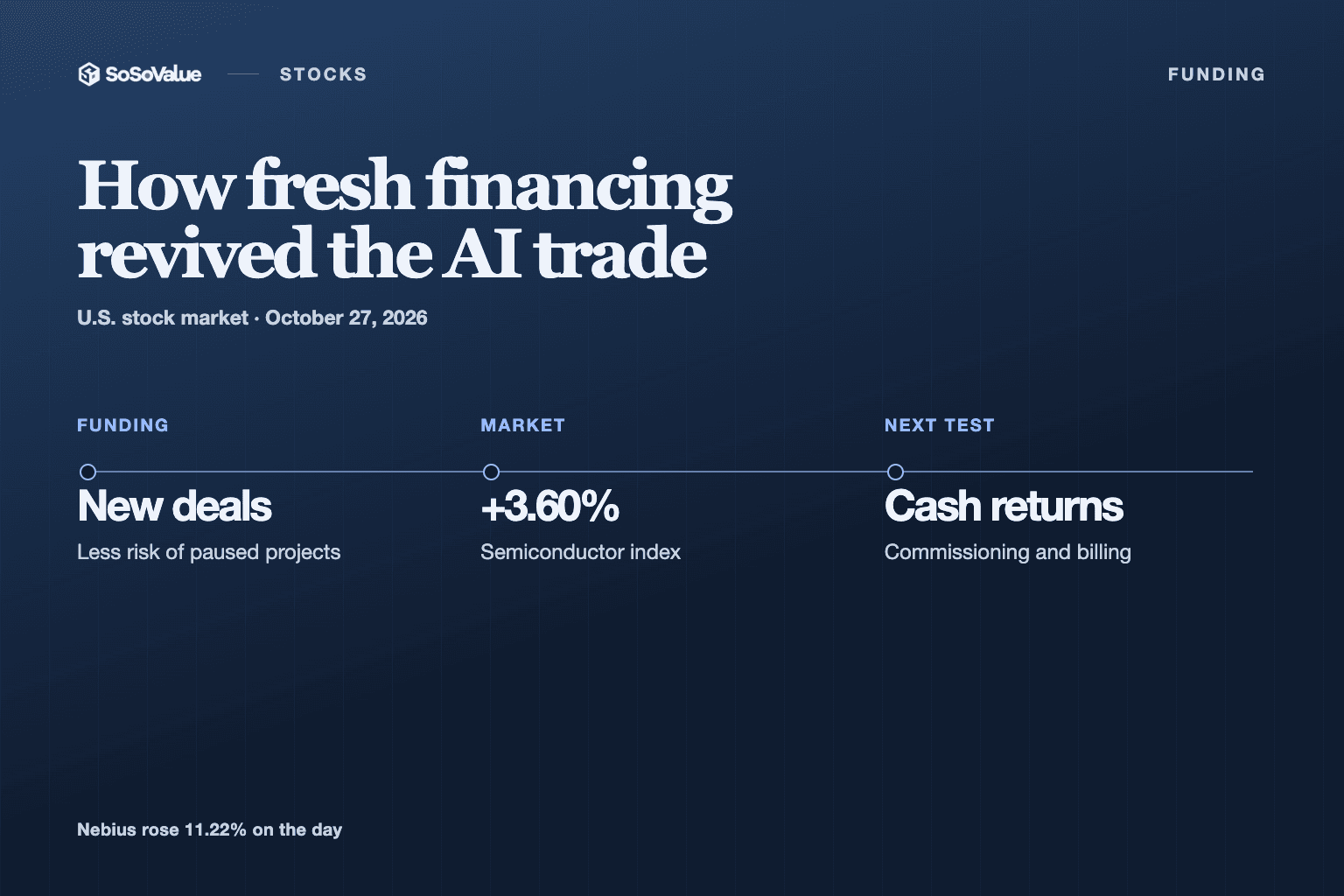
Why Fresh Financing Revived the AI Trade Before Cash Returns Arrived
The October 27 rebound showed how credible funding can lift chip and cloud stocks by reducing the chance that projects stall.
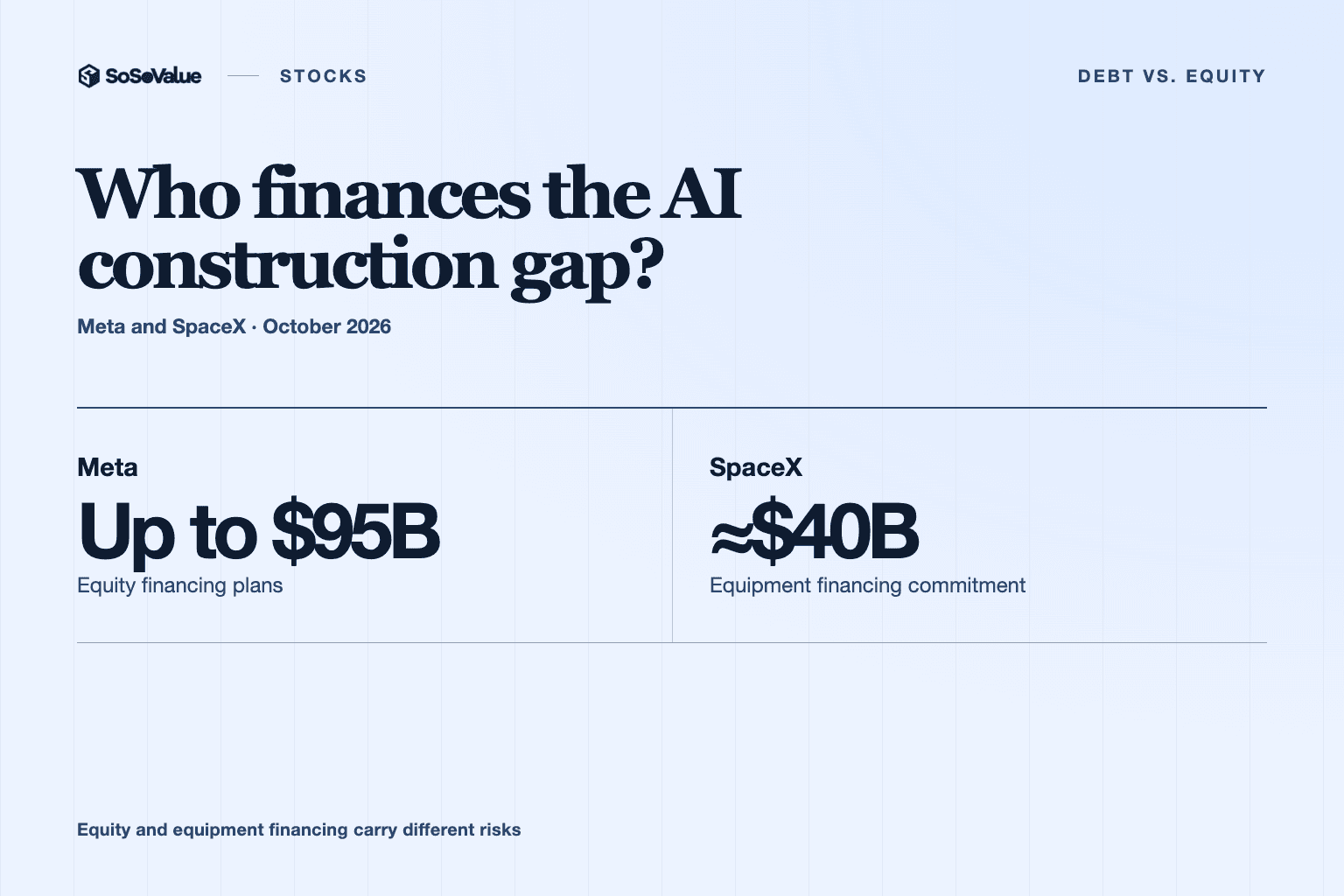
How Meta, SpaceX and Neoclouds Paid for the Wait Between AI Orders and Cash
The large October financing announcements were a reminder that funding terms can matter as much as order books when construction comes first.
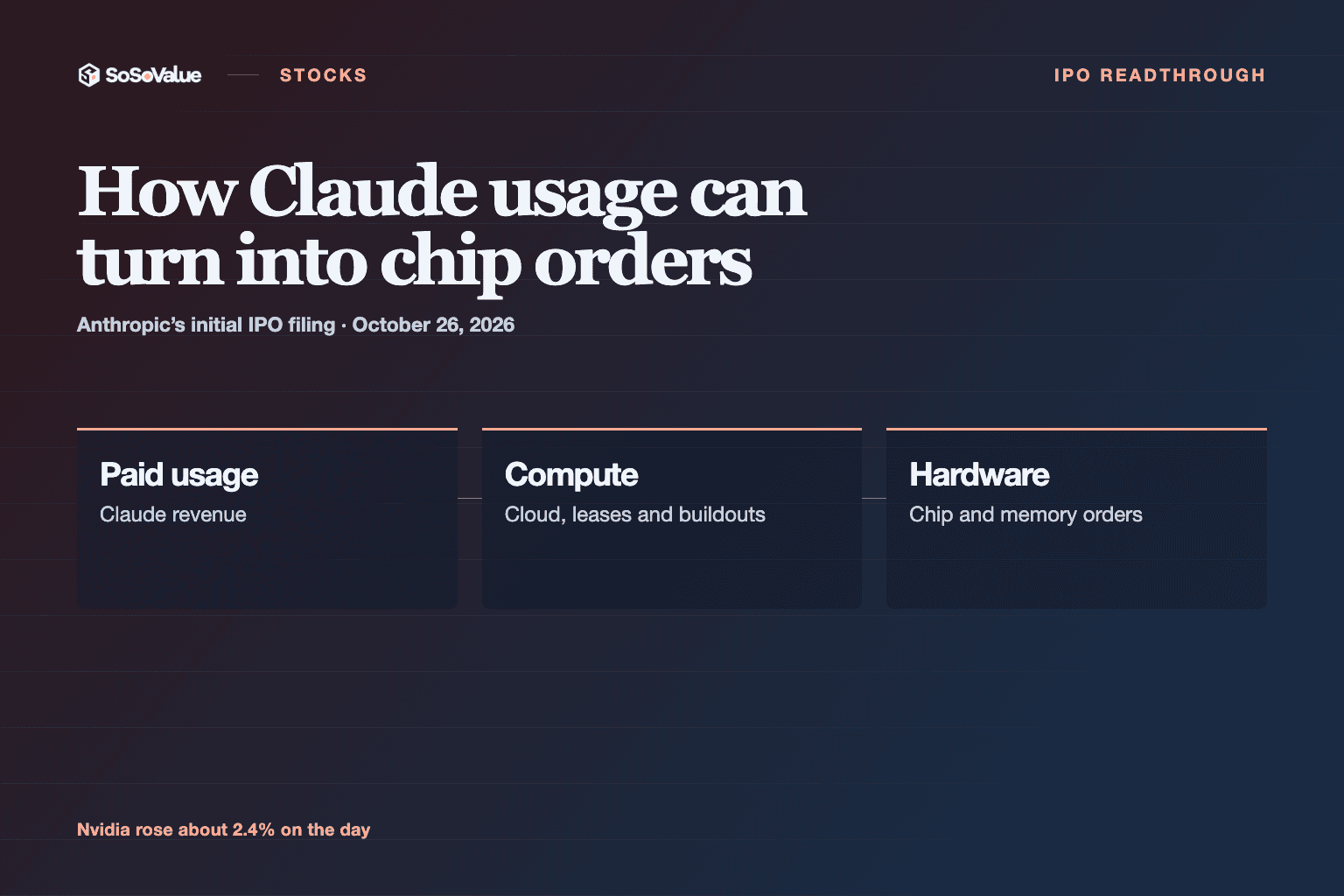
Why Anthropic’s IPO Filing Mattered to Nvidia and Micron
The October 26 filing gave markets evidence of what end users were paying for AI. For hardware suppliers, that offered a way to test whether investment might lead to another round of orders.
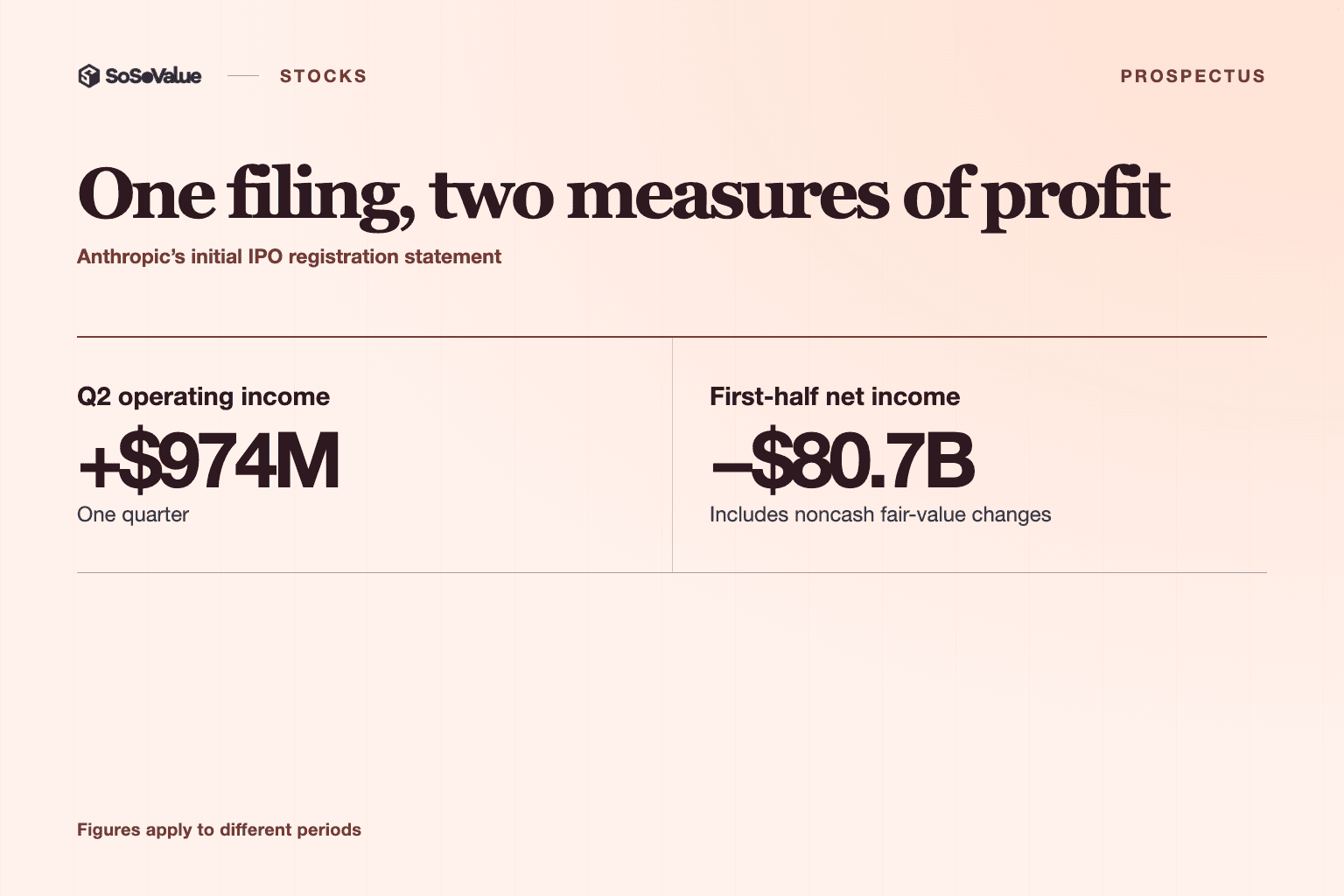
How to Read Anthropic’s $80.7 Billion Loss Alongside a Profitable Quarter
Anthropic’s first registration statement showed why operating results, net income and cash flow each tell a different part of the story.

How Israel’s Election Repriced the Risk in Brent Crude
Oil traders entered late October watching two elections and a narrow shipping corridor. Political odds moved quickly. Restoring physical flows was a separate test.

What Unitree’s Shipments Tell Investors About Humanoid Robotics
Humanoid robots are often valued on what their developers promise. Unitree’s shipment and profit figures let investors pose a more concrete question about commercialization.
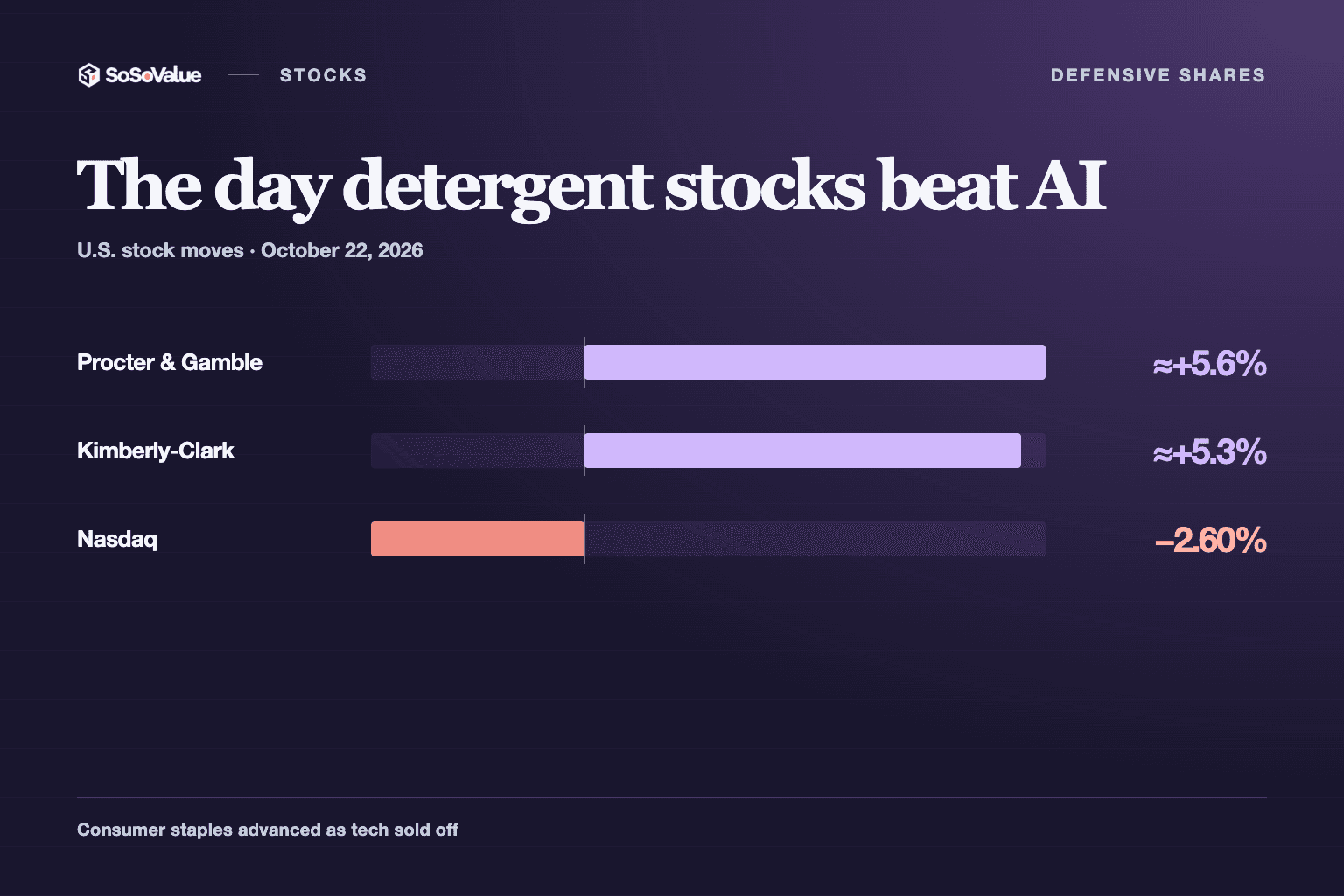
Why Laundry Detergent Stocks Beat AI on October 22
One trading session put a price on very different kinds of cash flows. Household staples rose as the Nasdaq fell, with the market questioning how soon heavy AI investment would pay off.

Why Easing Oil Prices Gave Tech and Crypto Different Kinds of Relief
Reports of a possible U.S.–Iran compromise briefly lowered energy risk in October. The path to a lasting recovery differed across tech stocks and digital assets.
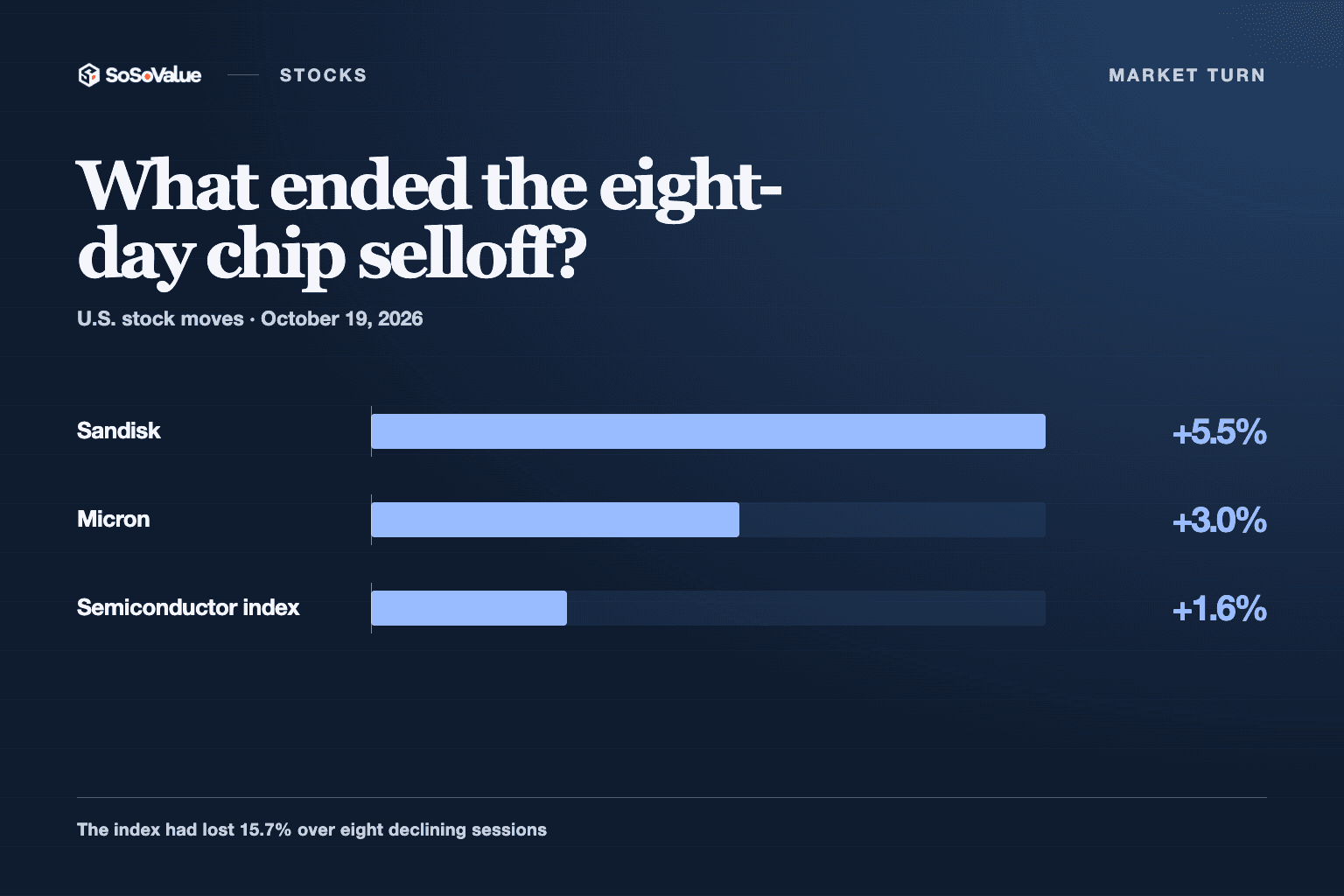
What It Took to End an Eight-Day Selloff in Semiconductor Stocks
The October 19 rebound was strongest in parts of the memory trade. The prior drawdown had exposed why investors demanded more evidence about funding even with chip demand intact.
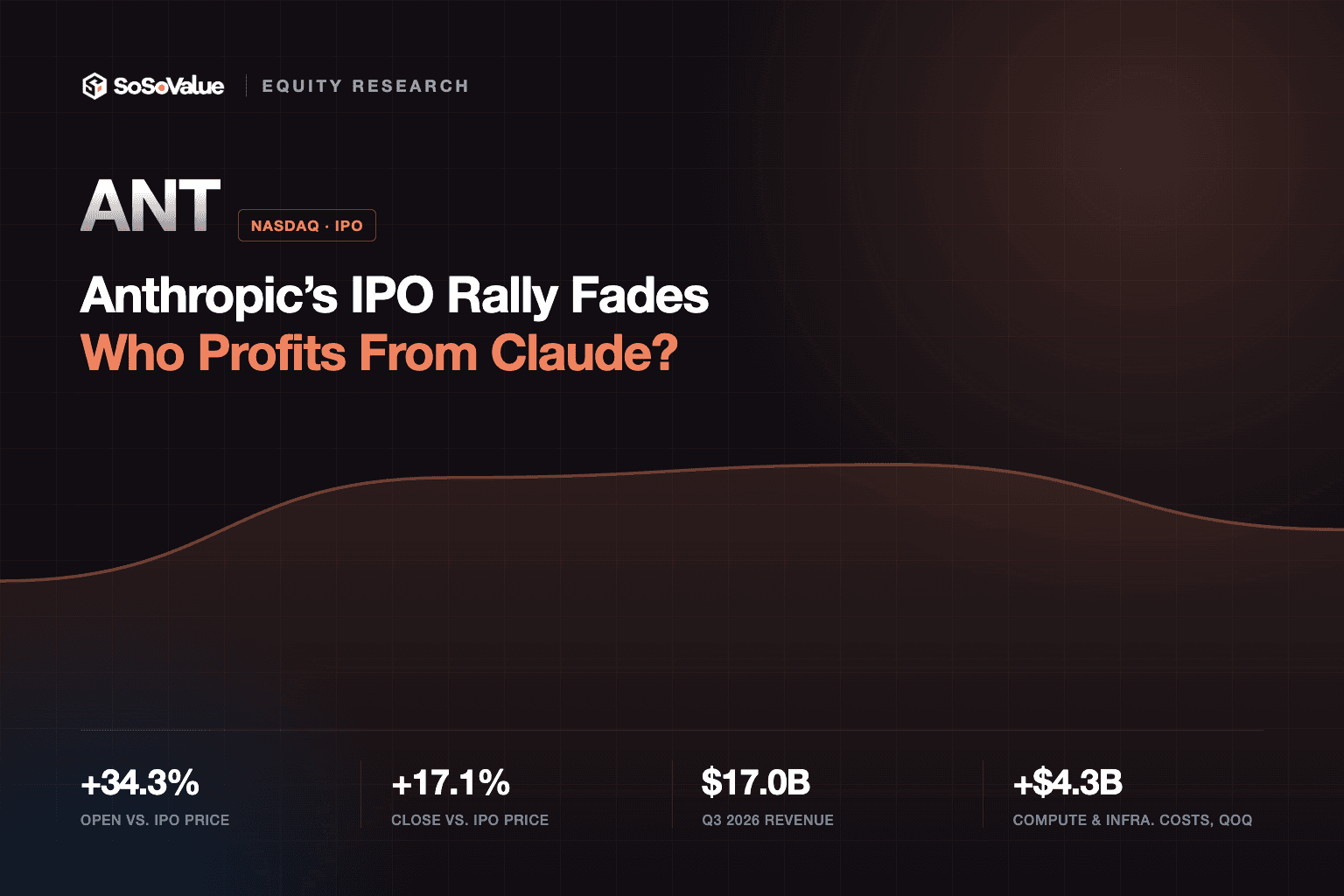
What Anthropic’s IPO Reveals About the Cost of Claude’s Growth
Anthropic closed 17.1% above its IPO price after opening 34.3% higher. Quarterly revenue rose $5.4 billion, while computing and infrastructure expenses increased $4.3 billion. The first-day reversal puts the focus on who makes money as Claude use grows.
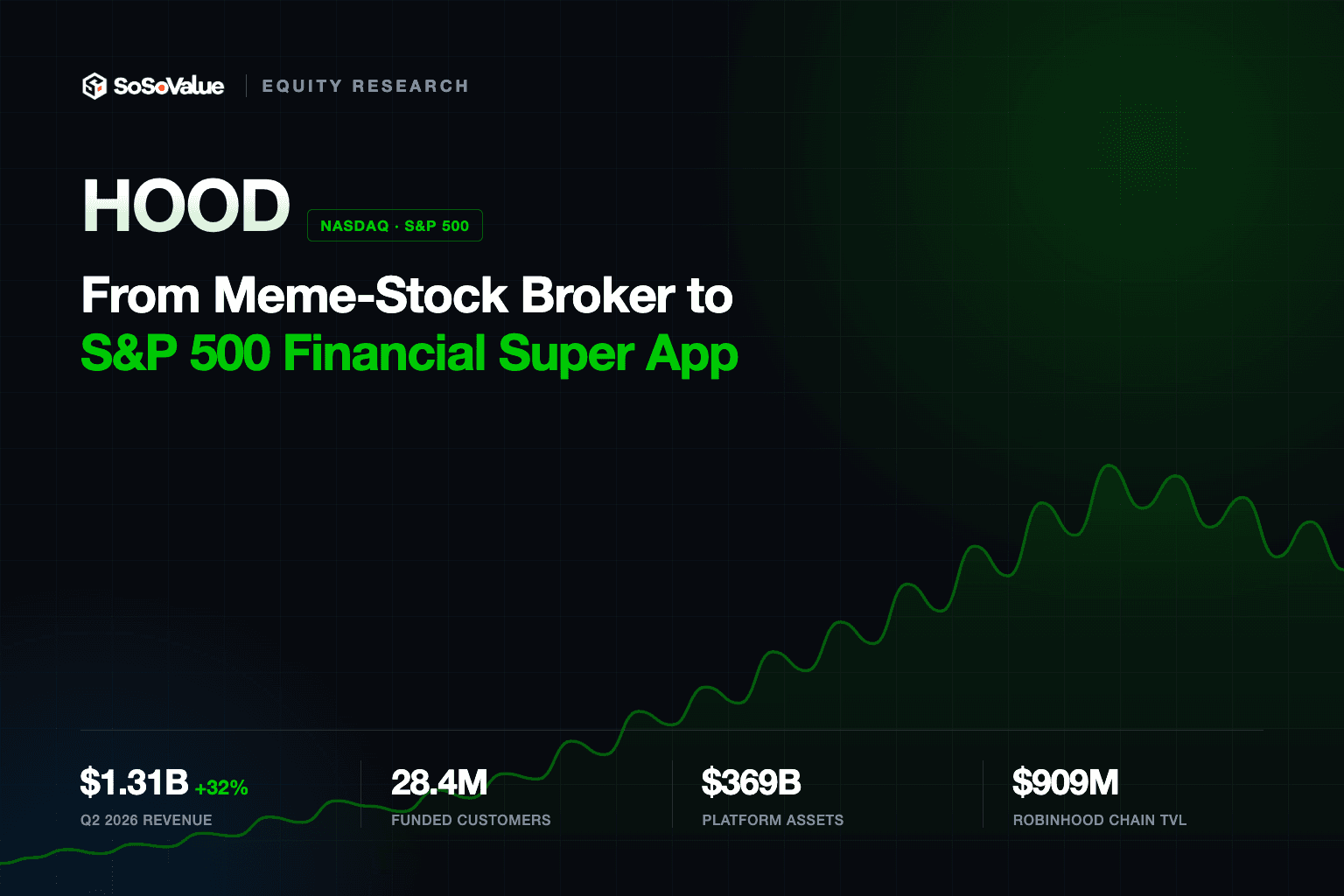
Robinhood: From Meme-Stock Broker to S&P 500 Financial Super App
Robinhood spent its first six years making U.S. stock trading free, and it has spent the years since building the products that pay for it. The broker booked a record 1.31 billion USD of revenue in the second quarter of 2026, up 32% year over year, across 28.4 million funded customers and 369 billion USD of platform assets. Valued at 32 billion USD at its July 2021 IPO and roughly 6 billion USD at its low the following June, the company is now capitalized near 109 billion USD and sits in the S&P 500. Yet, on 28 August 2026, a federal appeals court ruled unanimously that the sports contracts driving its fastest-growing business are not swaps, clearing states to police them as gambling.

Hyperliquid and Aster Detail Comparison: Technology, Tokenomics, and Traction
Hyperliquid and Aster are broadly similar high-throughput perp DEXs, but they diverge on execution transparency: Hyperliquid matches and settles fully on-chain (auditable CLOB), while Aster runs an off-chain engine with Hidden Orders (funds on-chain, matching opaque). Hyperliquid skews community-led with a tighter-cap HYPE token (structured emissions + buyback policy), whereas Aster leans on Binance-ecosystem distribution, larger ASTER supply with long linear unlocks, and heavy launch incentives. For holders, price appreciation is the main driver, with staking/lock yields secondary; for users, earnings come from rebates, fee discounts, and airdrops/points. Net choice: pick Hyperliquid for verifiability and long-run defensibility; pick Aster for near-term growth and distribution-led momentum—then watch post-incentive retention, OI stability, depth/slippage, and cohort metrics to see what’s truly durable.

DeFi and the American Spirit: What the SEC’s New DeFi Stance Means and How to Explore the Sector
The SEC’s new 2025 stance marks a major shift toward supporting decentralized finance (DeFi), aligning it with American values of freedom and innovation. With sectors like lending, staking, oracles, and real-world assets maturing, and frameworks like “innovation exemptions” emerging, DeFi is gaining legitimacy. Products like DeFi.SSI offer an easy entry point for investors seeking broad exposure.
Aptos vs Sui in 2025: Detailed Comparison
Uncover the 2025 comparison of Aptos vs. Sui. Dive into their unique features, use cases, and long-term potential to determine which cryptocurrency might be the better investment choice.

LINK vs UNI in 2025: Detailed Comparison & Long-Term Potential
Explore a comprehensive 2025 comparison of LINK vs. UNI. Discover key differences, technology, performance, and long-term potential to help you decide which blockchain could be the better investment.

Bitcoin vs. Ethereum in 2025: Detailed Comparison & Long-Term Potential
Uncover the 2025 comparison of Bitcoin vs. Ethereum. Dive into their unique features, use cases, and long-term potential to determine which cryptocurrency might be the better investment choice.

NEAR vs Cosmos in 2025: Detailed Comparison
Explore the ultimate 2025 comparison of NEAR vs Cosmos. Discover their standout features, real-world use cases, and long-term potential to decide which cryptocurrency suits your investment goals.

5 Low Cap Altcoin Gems with 1000x Potential for 2025
Explore the ultimate 2025 low cap gem digging of Altcoins. Discover their standout features in the new era, real-world use cases, and long-term potential to decide which cryptocurrency suits your investment goals.
Bitcoin Cash vs. Bitcoin in 2025: Detailed Comparison and Long-Term Potential
In 2025, Bitcoin stands apart as a sovereign-grade asset with strong institutional backing, outperforming Bitcoin Cash in adoption, security, and long-term potential. BCH still offers low-cost payments but faces intense competition, especially from stablecoins. Bitcoin's integration into U.S. federal and state reserves reinforces its lead as the premier digital asset for investors.
Solana vs. Bitcoin in 2025: Detailed Comparison and Long-Term Potential
TLDR: Bitcoin ($102,935) and Solana ($172) serve distinct investment purposes in 2025. BTC's $2T market cap reflects its status as the premier inflation hedge amid USD uncertainty, delivering 69% YoY returns. Meanwhile, SOL's $90B market cap and 28,246% five-year growth showcase its dominance in high-speed applications and corporate treasuries seeking yield. Companies like DeFi Development Corp now hold SOL reserves for staking returns while others maintain BTC as "digital gold." Investors increasingly allocate to both: BTC for monetary protection ($150K-$300K targets) and SOL for application growth potential ($800-$1,500 targets).

Bitcoin vs. USD: Revealing Bitcoin’s Real Inflation‑Adjusted High in 2025
The article shows that although Bitcoin hit a nominal peak of $109,640 on Jan 20 2025, its inflation‑adjusted record sits higher. By matching CPI changes, BTC must top roughly $111 k–$114 k later in 2025 to log a genuine new high. Charts compare Bitcoin with gold, reveal the dollar’s 40 % drop in buying power since 2005, and outline scenarios for the next real ATH.
XRP vs. BTC in 2025: Detailed Comparison and Long-Term Potential
XRP, now clear of its SEC dispute and trading on major U.S. venues, targets $4–$7 in 2025 (stretch to $10 if bank demand and a spot ETF arrive); about 58 % of its 100 billion supply is already circulating. Bitcoin, past $100 k after ETF inflows, is forecast around $120 k–$220 k next year and higher long term as its fixed 21 million cap and deep decentralization attract capital in uncertain markets.



 00:00